In the past one century, millions of girls around the world had no access to education and spent more time on household chores than boys of the same age do. One, of four girls, was married before the age of 18 years. Forced marriages were common in many countries, girls were vulnerable to physical violence, and the perpetrators often went unpunished. In some parts of the world, the situation is not much better today.
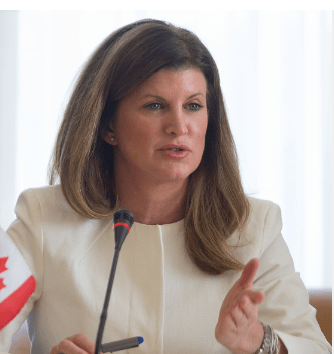
In 1911, women’s organizations in Canada approached the Canadian Federal Government to urge the United Nations to become involved. As a result, the ‘International Day of Girls’ was formally proposed in the UN General Assembly. Rona Ambrose, Canada’s Minister for the Status of Women, sponsored the resolution before the 55th UN Commission on the Status of Women. On December 19, 2011, the UN voted to pass a resolution adopting October 11, 2012, as the inaugural International Day of Girls.
This day is observed annually to increase awareness of gender inequality faced by girls worldwide. This includes access to education, nutrition, legal rights, medical care, and protection from discrimination and forced child marriage. Each year the day has a theme; such as Ending Child Marriage, Innovating for Girls’ Education, Empowering Adolescent Girls, Ending the Cycle of Violence, The Power of Adolescent Girl: Vision for 2030, What Counts for Girls, Empowering Girls: Before, during and after crises, and Providing Digital Skills to Girls.
 ਸਾਂਝੀ ਵਿਰਾਸਤ
It is indeed a very sad state of affairs regarding gender equality. Since prehistoric times there has never been and in my humble opinion there will never be. Sigh…..!! The rhetoric will continue and unfortunately will not cease. Countries that advocate gender inequality are supported by the richest and strongest powers in the world.
We don’t have to go too far into history, when 500 years ago Sri Guru Nanak Dev Ji (the founding teacher of Sikhism) advocated and preached gender equality, in and around India. It is far from being achieved (to date) even in India.
LikeLike