A monthly Non-Political, Not-for Profit magazine of Punjabi Language, Culture and Heritage
(By – RUBBINA SINGH, UNIVERSITY of CALGARY)
Mata Gujri ji was the wife of Guru Tegh Bahadur Sahib, mother of Guru Gobind Singh Sahib, grandmother of four Sahibzadeys and sister of a martyr Kirpal Chand. She was born in 1624 at Kartarpur, near Jalandhar. In 1644, Guru Hargobind Sahib had instructed his son Guru Tegh Bahadur Sahib to move to Bakala, near Amritsar. At Delhi, in 1664 Guru Harkrishan Sahib, had said “Baba Bakalay” (Next Guru is at Bakala). From Bakala, Guru Sahib went to Amritsar and then to Kiratpur, along with his mother and wife.
In 1665 Guru Sahib purchased land and founded a new town, Chak Nanki (named after his mother), now Anandpur Sahib (The abode of Bliss). Later, along with Bhai Mati Das, Bhai Sati Das and Bhai Gurditta, Guru Sahib moved to Assam for spreading Guru Nanak’s Mission, leaving Mata Gujari ji, with her brother at Patna. Guru Sahib returned to Patna in 1670 and later went to Punjab, leaving the family at Patna. Some Pandits reached Anand Pur to narrate the plight of Kashmiri Brahmins and complain to Guru Sahib against forced conversion to Islam by Aurangzeb in 1675.
When Guru Tegh Bahadur Sahib explained their grave problem to his nine-year-old son Gobind Rai, he asked his father how can they be helped. Guru Sahib answered that a truly pious and holy person will have to sacrifice his life. Gobind Rai replied, “There is nobody holier than you, father”. Guru Sahib told the Pandits to convey his message to the Emperor Aurangzeb that if Guru Tegh Bahadur accepts Islam, then all others would follow him. Guru Tegh Bahadur Sahib was executed at Chandni Chowk in Delhi along with his three disciples in November 1675, as they refused to give up their faith.
Bhai Jaita ji brought his severed head to Anand Pur. Mata Gujari ji courageously carried out her husband’s Mission with determination. She brought up Govind Rai like a Prince, gave him education, and military training, for the challenges ahead. In December 1704 Guru Gobind Singh vacated Anandpur Fort after prolonged siege by Mughal and Hill rulers. Mata ji, and her two younger grandsons Zorawar Singh (9) and Fateh Singh (5) were separated from other family members. The three and their cook, Gangu, went to his village, Saher, near Ropar. At night he stole their bag containing valuables. Later, Mata ji and her grandsons were arrested, and taken to the governor of Sirhind, Wazir Khan, who jailed them in the coldest part of the fort, Thanda Burj, without warm clothes and food.
Mata Gujari ji advised her grandsons not to give up their faith and reminded them how their grandfather Guru Tegh Bahadur Sahib had sacrificed his life and preferred death to conversion. She also related to them the sacrifice of Guru Arian Sahib for Dharma. In the court, the two young Princes refused to bow and instead uttered fearlessly Waheguru Ji Ka Khalsa, Waheguru Ji Ki Fateh”. They were asked by the governor to convert to Islam but both of them refused.
Next day, tempting offers were made to them but when they rejected them, they were ordered to be bricked alive. Sher Muhammad Khan of Malerkotla, pleaded for the small children but to no avail.
When both Sahibzadeys were bricked alive, Mata Gujari ji thanked Akaal Purakh for giving them a dignified death. She breathed her last while meditating. Later, Diwan Todar Mal cremated them by purchasing the most expensive land in the world. There Gurdwara Jyoti Sarup Sahib was built later in their memory. Unparallel services were rendered by both Baba Moti Ram Mehra ji and Diwan Todar Mal ji and their families. There also stands Gurdwara Thanda Burj, where she spent the last three days of her life. Every year, devotees come to pay homage to courageous Mata Gujar Kaur ji and her two younger grandsons in the last week of December. Brave Mata Gujar Kaur ji kept the tradition of Sikhi alive, without any complaint. She proved a real steel hearted lady, the like of whom shall never be born again. The life history of this unforgettable brave lady is a lighthouse for the generations to come. Due to her teachings and upbringing, her two young grandsons set an example for others to follow, particularly for the young Sikhs of today.

in Alberta, Brampton, British Columbia, Canada, Health, India / Punjabi, Leisure, Lifestyle, Local, Manitoba, Miscellaneous, Mississauga, Ontario, Opinion, Ottawa, Punjabi, Quebec, Spirituality, Toronto, World
By: Dr. Devinder Pal Singh and Dr. Bhai Harbans Lal
The Sikh Art Gallery in Montreal, Canada, part of the Arts of One World wing at the Montreal Museum of Fine Arts (MMFA), has attracted over 200,000 visitors since its opening in 2022. Supported by contributions from the Sikh Foundation International (U.S.A.) and the Chadha Family Foundation (Canada), the gallery features historic and contemporary Sikh artworks, fostering cultural understanding and appreciation. In 2023, it became the most visited Sikh gallery outside India, drawing 208,289 visitors. Prime Minister Justin Trudeau acknowledged the gallery’s significance, celebrating it as a milestone in Canadian multiculturalism. Housed within the prestigious MMFA, Canada’s oldest and largest art museum, the gallery exemplifies the institution’s mission to promote intercultural dialogue. As a key driver in the post-pandemic revival of the museum, the Sikh Art Gallery continues to serve as a platform for education, inclusion, and the preservation of Sikh heritage, enriching Montreal’s vibrant cultural landscape.
On September 3, 2024, the Sikh Art Gallery in Montreal, Canada, reached a significant milestone, drawing over 200,000 visitors since its opening in 2022. This gallery is part of the larger “Arts of One World” wing at the Montreal Museum of Fine Arts (MMFA), a leading cultural institution in Canada. The gallery’s appeal has garnered local and international attention, as it has become the most visited Sikh gallery outside of India. The gallery’s role in showcasing the rich and diverse Sikh culture has positioned it as a critical space for cultural exchange, education, and understanding.
Founding and Contributions
The establishment of the Sikh Art Gallery at the MMFA was made possible through generous contributions from notable figures such as S. Narinder Singh and Bibi Satinder Kaur Kapany, the Sh. Baljit Singh, and Bibi Mandeep Roshi Kaur Chadha. Their dedication to promoting Sikh art and culture was further supported by the Sikh Foundation International (U.S.A.) and the Chadha Family Foundation (Canada). These collective efforts, starting in 2022, created a permanent gallery that fosters understanding and appreciation for Sikh culture through a carefully curated collection of both historic and contemporary artworks.
The collection features portrayals of the ten Sikh Gurus, renowned Maharajas from the Sikh Empire (1799-1849), ritual artifacts, rare Nanakshahi coins, and significant publications documenting the Sikhs during the British Raj. It also includes Phulkari shawls, showcasing the rich Punjabi textile tradition.
The museum describes it as one of the largest Sikh art collections in North America. It reflects the core values and enduring contributions of the Sikh community, which numbers around 27 million globally.
Prime Minister Justin Trudeau acknowledged the gallery as a milestone in Canadian cultural history in a speech delivered on May 4, 2024, in Toronto. Trudeau affirmed, “The first Sikh Gallery in Canada was established in 2022 at the Montreal Museum of Fine Arts.” His words underscored the gallery’s importance not just for the Sikh community but for the entire nation as a symbol of multiculturalism and inclusion.
Record-Breaking Attendance
The year 2023 marked a significant achievement for the Sikh Art Gallery and the broader Arts of One World collection at the MMFA. Between January 1, 2023, and December 31, 2023, the gallery attracted 208,289 visitors, making it the highest number of visitors for any Sikh gallery outside of India. This record-breaking attendance speaks to the gallery’s role in engaging a broad audience, not only from the Sikh community but from diverse cultural backgrounds. The MMFA’s ability to draw people from various walks of life and enrich their understanding of Sikh heritage has contributed to the gallery’s success.
The gallery’s success can be attributed to its inclusive approach to showcasing art. By highlighting the Sikh community’s cultural richness, the gallery is essential in building bridges between cultures, encouraging dialogue, and promoting mutual respect.
The Arts of One World Wing
The Sikh Art Gallery is housed within the broader Arts of One World wing at the MMFA, one of Canada’s oldest and most prestigious art collections. The wing is dedicated to fostering a dialogue between ancient cultures and contemporary artists, both local and international. It challenges the notion that cultures exist in isolation, instead showing that they are dynamic, evolving, and constantly interacting with each other.
This intercultural and transhistorical perspective aligns perfectly with the MMFA’s mission to reflect the cultural diversity of Montreal, a city home to nearly 120 different communities. The Arts of One World collection offers an inclusive platform for artistic expression, where works from different historical periods and regions come together to tell a shared story. In this context, the Sikh Art Gallery becomes part of a larger narrative of cultural exchange and global interconnectedness.
The gallery promotes inclusivity and openness through its collections, which are particularly important in Montreal’s multicultural environment. The Sikh Art Gallery and other exhibits in the Arts of One World wing demonstrate that art transcends borders and that geographical boundaries do not confine cultural heritage.
The Montreal Museum of Fine Arts: A Hub of Cultural Exchange
The Sikh Art Gallery’s prominence is magnified by its location within the Montreal Museum of Fine Arts, Canada’s oldest museum, founded in 1860. The MMFA is not only the oldest art museum in the country but also the largest in gallery space. With a mission to acquire, conserve, study, interpret, and present significant works of art from across the globe, the MMFA is a hub of cultural exchange.
The museum’s vast collection, which currently includes over 47,000 works of art, is renowned for its breadth and quality. It holds one of Quebec’s most significant international art collections and is among Canada’s top three most prominent museums. The museum’s decorative arts and design collection is also one of the largest in North America.
The MMFA’s reputation as a world-class museum adds to the prestige of the Sikh Art Gallery. The museum housing this gallery demonstrates its commitment to representing diverse cultures and fostering a deeper understanding of the world’s artistic heritage.

Post-COVID Revival and Cultural Engagement
Like many cultural institutions worldwide, the MMFA faced challenges during the COVID-19 pandemic. Pre-pandemic, the museum attracted 1.3 million visitors annually, making it Canada’s most visited art museum. However, visitor numbers dropped significantly during the pandemic, with restrictions on public gatherings and the temporary closure of many cultural spaces.
Despite these challenges, the museum has seen a resurgence in visitors post-COVID. In 2023, over 700,000 people visited the MMFA, marking a significant recovery for the institution. The Sikh Art Gallery has played a crucial role in this revival, drawing in large numbers of visitors and contributing to the museum’s overall success. The gallery’s appeal to local and international audiences has helped the MMFA regain its status as a leading cultural destination in Canada.
In addition to its exhibitions, the MMFA is known for its educational and community outreach programs. Since the inception of its “Sharing the Museum” program, over 300,000 people have participated in various educational and community activities. This initiative reflects the museum’s commitment to making art accessible and engaging with diverse communities. The Sikh Art Gallery, as part of this broader educational mission, offers visitors the opportunity to learn about Sikh history, culture, and artistic traditions
Cultural Significance of the Sikh Art Gallery
The Sikh Art Gallery’s importance goes beyond its role as a space for showcasing art. It serves as a platform for fostering understanding and appreciation of Sikh culture, particularly in a multicultural country like Canada. For many visitors, the gallery provides an opportunity to engage with Sikh heritage and gain insights into the history and values of the Sikh community.
For the Sikh diaspora in Canada, the gallery is a source of pride and a means of preserving cultural heritage for future generations. It allows members of the Sikh community to see their culture represented in a prestigious institution like the MMFA, reinforcing a sense of belonging and identity.
The gallery’s presence in Montreal, a city known for its cultural diversity, is particularly significant. It underscores the importance of cultural representation in public spaces and art’s role in promoting inclusivity and mutual respect.
Looking Ahead
The success of the Sikh Art Gallery at the MMFA is a testament to the power of art in bridging cultures and fostering dialogue. With over 200,000 visitors since its opening, the gallery has established itself as a leading space for cultural exchange and education. As it continues attracting visitors worldwide, the gallery will undoubtedly play an essential role in shaping the cultural landscape of Montreal and beyond.
The Sikh Art Gallery’s journey is just beginning. With continued support from the Sikh Foundation International, the Chadha Family Foundation, and other contributors, the gallery is poised to grow and evolve. As it expands its collection and programming, it will further enrich the cultural fabric of Montreal and offer new opportunities for learning and engagement.
In the years to come, the gallery will continue to serve as a beacon of Sikh culture, promoting understanding, inclusivity, and artistic excellence. Its impact will be felt not only in Montreal but across Canada and the world.


Note: The views and information expressed in the columns are not necessarily the views of the publisher or advertisers.
The individual opinions expressed by Asia Metro writers do not necessarily reflect the views of Asia Metro News magazine as a whole.
Editor: Surjit Singh Flora
sflora@asiametro.ca
editor@asiametro.ca
647-829-9397
© 2023 Asia Metro News Magazine. All rights reserved.
ਗੁਰੂ ਗ੍ਰੰਥ ਸਾਹਿਬ ਜੀ ਦੇ ਸੰਪੂਰਨਤਾ ਦਿਵਸ ਤੇ:-
ਵਿਸ਼ਵ ਦਾ ਨਿਰਾਲਾ ਗ੍ਰੰਥ- ਗੁਰੂ ਗ੍ਰੰਥ ਸਾਹਿਬ ਜੀ
-ਜਸਵਿੰਦਰ ਸਿੰਘ ਰੁਪਾਲ
-9814715796
ਸ੍ਰੀ ਗੁਰੂ ਗ੍ਰੰਥ ਸਾਹਿਬ ਜੀ ਨੂੰ ਮਨੁੱਖਤਾ ਦਾ ਚਾਨਣ ਮੁਨਾਰਾ ਅਤੇ ਸਰਬ ਸਾਂਝਾ ਗ੍ਰੰਥ ਵਜੋਂ ਜਾਣਿਆ ਜਾਂਦਾ ਹੈ। ਅਤੇ ਖਾਲਸਾ ਪੰਥ ਨਿਆਰਾ ਪੰਥ ਵਜੋਂ ਪ੍ਰਸਿੱਧ ਹੈ। ਪਰ ਸਾਡਾ ਵਿਚਾਰ ਹੈ ਕਿ ਗੁਰੂ ਗ੍ਰੰਥ ਸਾਹਿਬ ਇੱਕ ਨਿਆਰਾ ਗ੍ਰੰਥ ਵੀ ਹੈ ਅਤੇ ਖਾਲਸਾ ਪੰਥ ਸਰਬ ਸਾਂਝਾ ਪੰਥ ਵੀ ਹੈ। ਅਸੀਂ ਆਪਣੇ ਇਸ ਦੇ ਪਹਿਲੇ ਭਾਗ ਤੇ ਵਿਚਾਰ ਕਰਦੇ ਹੋਏ ਗੁਰੂ ਗ੍ਰੰਥ ਸਾਹਿਬ ਜੀ ਦੇ ਨਿਰਾਲੇਪਣ ਬਾਰੇ ਗੱਲ ਕਰਾਂਗੇ। (ਸਰਬ ਸਾਂਝਾ ਖਾਲਸਾ ਪੰਥ ਬਾਰੇ ਵਿਚਾਰ ਇੱਕ ਵੱਖਰੇ ਲੇਖ ਵਿਚ ਕਰਾਂਗੇ)।
ਕਿਸੇ ਵੀ ਵਸਤੂ ਵਿਅਕਤੀ ਜਾਂ ਵਰਤਾਰੇ ਨੂੰ ਨਿਰਾਲਾ ਕਦੋਂ ਕਿਹਾ ਜਾਂਦਾ ਹੈ ?? ਭਾਈ ਸਾਹਿਬ ਭਾਈ ਕਾਹਨ ਸਿੰਘ ਜੀ ਨਾਭਾ, ਮਹਾਨ ਕੋਸ਼ ਵਿੱਚ ਨਿਰਾਲਾ ਸ਼ਬਦ ਦੇ ਅਰਥ ਇਉਂ ਕਰਦੇ ਹਨ–
ਭਿੰਨ ਪ੍ਰਕਾਰ ਦਾ ਜੁਦਾ ,ਜੁਦੀ, “ਭਗਤਾ ਕੀ ਚਾਲ ਨਿਰਾਲੀ”(ਅਨੰਦ) ੨ ਏਕਾਂਤ ੩ ਵਿਲੱਖਣ ਅਜੀਬ ੪ ਜਿਸ ਦੇ ਮੁਕਾਬਲੇ ਦੂਸਰਾ ਨਹੀਂ ਅਦ੍ਵੀਤਯ (ਅਦੁੱਤੀ)
ਸੋ ਨਿਰਾਲਾ ਦਾ ਭਾਵ ਹੈ ,ਦੂਜੇ ਉਸ ਵਰਗਿਆਂ ਨਾਲੋਂ ਭਿੰਨ। ਅਸੀਂ ਗ੍ਰੰਥ ਦੀ ਗੱਲ ਕਰ ਰਹੇ ਹਾਂ। ਸਾਰੇ ਧਰਮਾਂ ਦੇ ਸਾਰੇ ਗ੍ਰੰਥ ਸਤਿਕਾਰਯੋਗ ਹਨ, ਪਵਿੱਤਰ ਹਨ ਅਤੇ ਪੂਜਣਯੋਗ ਹਨ। ਅਸੀਂ ਦੇਖਾਂਗੇ ਕਿ ਗੁਰੂ ਗ੍ਰੰਥ ਸਾਹਿਬ ਜੀ ਕਿਵੇਂ ਦੂਸਰੇ ਗ੍ਰੰਥਾਂ ਨਾਲੋਂ ਭਿੰਨ ਹਨ। ਕੀ ਅਸੀਂ ਇਹ ਕਹਿ ਸਕਦੇ ਹਾਂ ਕਿ ਗੁਰੂ ਗ੍ਰੰਥ ਸਾਹਿਬ ਦੇ ਮੁਕਾਬਲੇ ਕੋਈ ਦੂਸਰਾ ਗ੍ਰੰਥ ਨਹੀਂ ??ਆਓ ਵਿਚਾਰ ਕਰੀਏ ….
1. ਗ੍ਰੰਥ ਦਾ ਕਰਤਾ ਅਤੇ ਲਿਖਣ ਕਾਲ :- ਸਭ ਤੋਂ ਪਹਿਲਾਂ ਮਹੱਤਵਪੂਰਨ ਹੈ ਕਿ ਉਸ ਗ੍ਰੰਥ ਨੂੰ ਕਿਸ ਨੇ ਲਿਖਿਆ ਹੈ ਅਤੇ ਕਦੋਂ । ਵੱਖ ਵੱਖ ਮੁੱਖ ਪ੍ਰਚੱਲਿਤ ਧਰਮਾਂ ਦੇ ਗ੍ਰੰਥ ਅਤੇ ਉਹਨਾਂ ਦੇ ਲੇਖਕ ਇੰਝ ਹਨ–
ਹਿੰਦੂ ਧਰਮ :- ਹਿੰਦੂ ਧਰਮ ਦੇ ਗ੍ਰੰਥ ਕਾਫੀ ਜ਼ਿਆਦਾ ਹਨ ਜਿਵੇਂ ਵੇਦ, ਪੁਰਾਣ, ਸਿਮਰਤੀਆਂ ਆਦਿ
ਵੇਦ ਚਾਰ ਹਨ ਜੋ ਰਿਗ ਵੇਦ, ਯਜੁਰ ਵੇਦ, ਅਥਰਵ ਵੇਦ ਅਤੇ ਸਾਮ ਵੇਦ ਹਨ। ਇਹਨਾਂ ਦਾ ਕਰਤਾ ਵਿਆਸ ਰਿਸ਼ੀ ਨੂੰ ਮੰਨਿਆ ਗਿਆ ਹੈ ਪਰ ਇਸ ਗੱਲ ਦੇ ਭਰੋਸੇਯੋਗ ਪ੍ਰਮਾਣ ਨਹੀਂ ਹਨ। ਬਹੁਤ ਜਿਆਦਾ ਪੁਰਾਤਨ ਹੋਣ ਕਾਰਨ ਕੋਈ ਵੀ ਗੱਲ ਲਿਖਤੀ ਸਬੂਤਾਂ ਦੇ ਅਧਾਰ ਤੇ ਨਹੀਂ ਕਹਿ ਸਕਦੇ। ਸਤਿਯੁਗ ਦੁਆਪਰ ਤ੍ਰੇਤਾ ਯੁੱਗਾਂ ਤੋਂ ਹੁਣ ਤੱਕ ਕਿਸੇ ਵੀ ਵਸਤੂ ਦਾ ਹੂਬਹੂ ਪ੍ਰਾਪਤ ਹੋਣ ਦੀ ਕੋਈ ਗੁੰਜਾਇਸ਼ ਨਹੀਂ ਹੈ। ਰਿਸ਼ੀਆਂ ਮੁਨੀਆਂ ਦਾ ਬਹੁਤਾ ਗਿਆਨ ਮੌਖਿਕ ਹੁੰਦਾ ਸੀ ਲਿਖਤੀ ਨਹੀਂ। ਦੂਸਰੀ ਗੱਲ ਕਿ ਜਦੋਂ ਉਹ ਨਾਇਕ ਵਿਚਰੇ ਜਿਵੇਂ ਰਾਮ ਚੰਦਰ ਜੀ, ਕ੍ਰਿਸ਼ਨ ਜੀ ਆਦਿ , ਨਾ ਤਾਂ ਇਹ ਗ੍ਰੰਥ ਉਹਨਾਂ ਨੇ ਏਪੀ ਲਿਖੇ ਹਨ ਅਤੇ ਨਾ ਹੀ ਇਹ ਗ੍ਰੰਥ ਉਹਨਾਂ ਦੇ ਆਪਣੇ ਸਮੇਂ ਵਿਚ ਨਹੀਂ ਲਿਖੇ ਗਏ। ਜਾਂ ਤਾਂ ਜਿਵੇਂ ਬਾਲਮੀਕੀ ਰਾਮਾਇਣ ਨੂੰ ਵਾਪਰਨ ਤੋਂ ਬਹੁਤ ਸਮਾਂ ਪਹਿਲਾਂ ਲਿਖਿਆ ਮੰਨਿਆ ਜਾਂਦਾ ਹੈ। ਅਤੇ ਜਾਂ ਉਹ ਘਟਨਾ ਬੀਤ ਜਾਣ ਤੇ ਸ਼ਰਧਾਲੂਆਂ ਦੁਆਰਾ ਬਾਅਦ ਵਿੱਚ ਲਿਖੇ ਗਏ। ਦੋਹਾਂ ਹੀ ਹਾਲਤਾਂ ਵਿਚ ਸਚਾਈ ਦੀ ਭਰੋਸੇਯੋਗਤਾ ਤੇ ਪ੍ਰਸ਼ਨ ਚਿੰਨ੍ਹ ਲੱਗ ਜਾਂਦਾ ਹੈ।
ਇਸਲਾਮ ਧਰਮ :- ਇਸਲਾਮ ਧਰਮ ਦੇ ਮੁਖੀ ਹਜ਼ਰਤ ਮੁਹੰਮਦ ਸਾਹਿਬ ਸਨ। ਉਹ ਕੁਰਾਨ ਸ਼ਰੀਫ ਉਨ੍ਹਾਂ ਦਾ ਮੁੱਖ ਗ੍ਰੰਥ ਹੈ। ਇਸ ਬਾਰੇ ਇਹ ਪ੍ਰਚੱਲਿਤ ਹੈ ਕਿ ਅੱਲਾਹ ਨੇ ਜਿਬਰਾਈਲ ਫਰਿਸ਼ਤੇ ਦੁਆਰਾ ਇਸ ਦਾ ਇਲਹਾਮ ਹਜ਼ਰਤ ਮੁਹੰਮਦ ਨੂੰ ਸੁਣਾਇਆ ਸੀ।ਇਹ ਇਲਹਾਮ 610 ਈਸਵੀ ਪੂਰਵ ਤੋਂ 623 ਈਸਵੀ ਪੂਰਵ ਤੱਕ ਹੋਇਆ ਪਰ ਇਹ ਗ੍ਰੰਥ ਹਜ਼ਰਤ ਮੁਹੰਮਦ ਸਾਹਿਬ ਦੇ ਜਿਊਂਦੇ ਹੋਏ ਪੁਸਤਕ ਰੂਪ ਵਿਚ ਨਹੀਂ ਆਇਆ ਸੀ। ਉਨ੍ਹਾਂ ਦੀ ਮੌਤ ਤੋਂ ਬਾਅਦ 633 ਈਸਵੀ ਪੂਰਵ ਵਿਚ ਪੁਸਤਕ ਰੂਪ ਵਿਚ ਹੋਇਆ।
ਬੁੱਧ ਧਰਮ :- ਬੁੱਧ ਧਰਮ ਦੇ ਗ੍ਰੰਥ ਸੁਤ ਪਿਟਕ, ਵਿਨੈ ਪਿਟਕ ਅਤੇ ਅਭਿਧਮ ਪਿਟਕ ਹਨ। ਇਨ੍ਹਾਂ ਗ੍ਰੰਥਾਂ ਵਿਚ ਬੁੱਧ ਦੇ ਜੀਵਨ ਅਤੇ ਸਿੱਖਿਆਵਾਂ ਦਾ ਵਰਨਣ ਹੈ ਪਰ ਇਹ ਗ੍ਰੰਥ ਬੁੱਧ ਦੇ ਸ਼ਾਗਿਰਦਾਂ ਦੁਆਰਾ ਉਨ੍ਹਾਂ ਦੀ ਮੌਤ ਤੋਂ ਬਾਅਦ ਹੀ ਲਿਖਿਆ ਹੈ।
ਗੁਰੂ ਗ੍ਰੰਥ ਸਾਹਿਬ :- ਗੁਰੂ ਨਾਨਕ ਜੀ ਆਪਣੀਆਂ ਉਦਾਸੀਆਂ ਸਮੇਂ ਆਪਣੇ ਨਾਲ ਇਕ ਪੋਥੀ ਰੱਖਦੇ ਸਨ ਜਿਸ ਵਿਚ ਉਹ ਆਪ ਆਪਣੀ ਲਿਖੀ ਹੋਈ ਬਾਣੀ ਅਤੇ ਭਗਤਾਂ ਦੀ ਬਾਣੀ ਜੋ ਉਹ ਵੱਖ ਵੱਖ ਥਾਵਾਂ ਤੋਂ ਇੱਕਤਰ ਕਰ ਰਹੇ ਸਨ, ਉਹ ਉਤਾਰ ਰਹੇ ਸਨ। ਭਾਈ ਸਾਹਿਬ ਭਾਈ ਗੁਰਦਾਸ ਜੀ ਨੇ ਆਪਣੀ ਵਾਰ ਵਿਚ ਇਸ ਗੱਲ ਦੀ ਪ੍ਰੋੜ੍ਹਤਾ ਕੀਤੀ ਹੈ–
ਬਾਬਾ ਫਿਰਿ ਮਕੇ ਗਇਆ ਨੀਲ ਬਸਤ੍ਰ ਧਾਰੇ ਬਨਵਾਰੀ ।।
ਆਸਾ ਹਥਿ ਕਿਤਾਬ ਕਛਿ ਕੂਜਾ ਬਾਂਗ ਮੁਸਲਾ ਧਾਰੀ ।।…………………………..(ਭਾਈ ਗੁਰਦਾਸ ਜੀ, ਵਾਰ ੧ ਪਉੜੀ ੩੨)
ਇਸ ਤਰਾਂ ਗੁਰੂ ਨਾਨਕ ਦੇਵ ਜੀ ਨੇ ਬਾਣੀ ਨੂੰ ਆਪ ਲਿਖਿਆ ਅਤੇ ਗੱਦੀ ਦੇਣ ਸਮੇਂ ਇਹ ਪੋਥੀ ਗੁਰੂ ਅੰਗਦ ਦੇਵ ਜੀ ਨੂੰ ਦਿੱਤੀ ਸੀ। ਗੁਰੂ ਅੰਗਦ ਦੇਵ ਜੀ ਨੇ ਆਪਣੀ ਲਿਖੀ ਬਾਣੀ ਇਸ ਵਿਚ ਸ਼ਾਮਲ ਕਰਕੇ ਅੱਗੋਂ ਇਹ ਪੋਥੀ ਤੀਸਰੇ ਗੁਰੂ ਅਮਰਦਾਸ ਜੀ ਨੂੰ ਦਿੱਤੀ। ਇਸ ਤਰਾਂ ਹੀ ਚੱਲਦਾ ਗਿਆ ਅਤੇ ਗੁਰੂ ਅਰਜਨ ਦੇਵ ਜੀ ਨੇ ਇਸ ਸਾਰੀ ਬਾਣੀ ਨੂੰ ਤਰਤੀਬ ਦੇ ਕੇ ਆਦਿ ਗ੍ਰੰਥ ਦੇ ਰੂਪ ਵਿਚ ਸੰਕਲਿਤ ਕੀਤਾ ਜਿਸ ਵਿਚ ਗੁਰੂ ਗੋਬਿੰਦ ਸਿੰਘ ਜੀ ਨੇ ਗੁਰੂ ਤੇਗ ਬਹਾਦਰ ਜੀਂ ਦੀ ਬਾਣੀ ਸ਼ਾਮਲ ਕੀਤੀ ਅਤੇ ਇਸਨੂੰ ਗੁਰੂ ਗ੍ਰੰਥ ਸਾਹਿਬ ਆਖਿਆ ਜਾਣ ਲੱਗਿਆ। ਇਸ ਤਰਾਂ ਗੁਰੂ ਸਾਹਿਬਾਨ ਨੇ ਸਾਰੀ ਬਾਣੀ ਆਪਣੇ ਹੱਥੀਂ ਆਪਣੇ ਜੀਵਨ ਕਾਲ ਦੌਰਾਨ ਹੀ ਲਿਖੀ। ਭਗਤਾਂ ਦੀ ਇੱਕਠੀ ਕੀਤੀ ਗਈ ਬਾਣੀ ਵੀ ਕਿਉਂਕਿ ਉਹਨਾਂ ਦੀ ਗੱਦੀ ਤੇ ਜੋ ਵੀ ਉਸ ਸਮੇ ਬੈਠਾ ਸੀ, ਉਸ ਤੋਂ ਪ੍ਰਾਪਤ ਕੀਤੀ ਹੋਣ ਕਾਰਨ ਭਰੋਸੇਯੋਗ ਮੰਨੀ ਜਾ ਸਕਦੀ ਹੈ।
2. ਗ੍ਰੰਥਾਂ ਦੀ ਭਾਸ਼ਾ :-ਹਿੰਦੂਆਂ ਦੇ ਸਾਰੇ ਦੇ ਸਾਰੇ ਗ੍ਰੰਥ ਸੰਸਕ੍ਰਿਤ ਭਾਸ਼ਾ ਵਿਚ ਹਨ। ਜੋ ਕਿ ਆਮ ਲੋਕਾਂ ਨੂੰ ਨਹੀਂ ਆਉਂਦੀ। ਇਸ ਲਈ ਜਣੁ ਸਧਾਰਨ ਸੰਸਕ੍ਰਿਤ ਦੇ ਵਿਦਵਾਨ ਪੰਡਿਤਾਂ ਅਤੇ ਪੁਜਾਰੀਆਂ ਦੇ ਮੁਹਤਾਜ ਹੋ ਜਾਂਦੇ ਰਹੇ। ਪੰਡਿਤਾਂ ਵਲੋਂ ਜਨ ਸਾਧਾਰਨ ਦੀ ਕੀਤੀ ਜਾਂਦੀ ਲੁੱਟ ਦਾ ਇੱਕ ਕਾਰਨ ਇਹ ਵੀ ਬਣਿਆ ਹੋਇਆ ਹੋਏਗਾ।
ਇਸਲਾਮਿਕ ਗ੍ਰੰਥਾਂ ਦੀ ਮੁਖ ਭਾਸ਼ਾ ਅਰਬੀ ਹੈ। ਇਸ ਲਈ ਹਰ ਮੁਸਲਮਾਨ ਨੂੰ ਅਰਬੀ ਸਿੱਖਣੀ ਹੀ ਪੈਂਦੀ ਹੈ, ਜੇ ਉਨ੍ਹਾਂ ਨੇ ਕੁਰਾਨ ਪੜ੍ਹਨੀ ਹੈ ਤਾਂ।
ਸਿੱਖ ਧਰਮ ਦੇ ਗ੍ਰੰਥ ਗੁਰੂ ਸਾਹਿਬਾਨ ਨੇ ਪੂਰੇ ਦੇ ਪੂਰੇ ਲੋਕ ਬੋਲੀ ਵਿਚ ਲਿਖੇ/ਲਿਖਵਾਏ। ਗੁਰੂ ਗ੍ਰੰਥ ਸਾਹਿਬ ਜੀ ਦੀ ਲਿਪੀ ਭਾਵੇ ਗੁਰਮੁਖੀ ਹੈ, ਜੋ ਪੰਜਾਬ ਦੀ ਲੋਕ ਬੋਲੀ ਪੰਜਾਬੀ ਦੀ ਲਿਪੀ ਹੈ। ਪਰ ਉਂਝ ਗੁਰੂ ਗ੍ਰੰਥ ਸਾਹਿਬ ਜੀ ਨੂੰ ਵੱਖ ਵੱਖ ਭਾਸ਼ਾਵਾਂ ਦਾ ਇੱਕ ਵਧੀਆ ਗੁਲਦਸਤਾ ਵੀ ਕਿਹਾ ਜਾ ਸਕਦਾ ਹੈ, ਕਿਉਂਕਿ ਗੁਰੂ ਸਾਹਿਬ ਜਿੱਥੇ ਵੀ ਗਏ,ਉੱਥੇ ਦੀ ਬੋਲੀ ਦੇ ਸ਼ਬਦ ਉਨ੍ਹਾਂ ਦੀ ਬਾਣੀ ਵਿਚ ਆਉਂਦੇ ਗਏ। ਇਸ ਤਰਾਂ ਇਹ ਗ੍ਰੰਥ ਲੋਕ-ਮਨ ਦੇ ਜ਼ਿਆਦਾ ਨੇੜੇ ਹੈ।
3. ਮਨੁੱਖਤਾ ਦਾ ਗ੍ਰੰਥ – ਵਿਸ਼ਵ ਦੀਆਂ ਕਦਰਾਂ ਕੀਮਤਾਂ :- ਗੁਰੂ ਗ੍ਰੰਥ ਸਾਹਿਬ ਇੱਕੋ ਇੱਕ ਅਜਿਹਾ ਗ੍ਰੰਥ ਹੈ ਜਿਹੜਾ ਸਮੇਂ ਅਤੇ ਸਥਾਨ ਦੀਆਂ ਹੱਦਬੰਦੀਆਂ ਤੋੰ ਪਾਰ ਹਮੇਸ਼ਾ ਇੱਕੋ ਸੱਚਾਈ ਦੀ ਗੱਲ ਕਰਦਾ ਹੈ। ਇੰਸ ਵਿੱਚ ਬਿਆਨਿਆ ਗਿਆ ਸੱਚ ਜਿੰਨਾ ਇਸ ਦੇ ਲਿਖਣ ਸਮੇਂ ਸਾਰਥਕ ਅਤੇ ਮਹੱਤਵਪੂਰਨ ਸੀ, ਉਤਨਾ ਹੀ ਅੱਜ ਹੈ ਅਤੇ ਉਤਨਾ ਹੀ ਭਵਿੱਖ ਵਿੱਚ ਵੀ ਰਹੇਗਾ। ਇਸ ਦਾ ਕਾਰਨ ਇਸ ਦੀ ਸਮਦ੍ਰਿਸ਼ਟੀ, ਸਰਬ ਸਾਂਝੀਵਾਲਤਾ, ਮਨੁੱਖਤਾ ਦੀਆਂ ਮੁੱਢਲੀਆਂ ਨੈਤਿਕ ਕਦਰਾਂ ਕੀਮਤਾਂ ਤੇ ਜੋਰ, ਕੁਦਰਤ ਦੀ ਸੰਭਾਲ ਅਤੇ ਉਸ ਨਾਲ ਇੱਕਮਿੱਕਤਾ, ਜਾਤਾਂ,ਧਰਮਾਂ,ਰੰਗਾਂ,ਨਸਲਾਂ,ਬੋਲੀਆਂ,ਇਲਾਕਿਆਂ ਦੇ ਬਹੁਤ ਹਲਕੇ ਵਿਤਕਰੇ ਲਈ ਇਸ ਵਿਚ ਕੋਈ ਥਾਂ ਨਹੀਂ ਹੈ। ਇਹ ਇੱਕ ਵੱਖਰੀ ਤ੍ਰਾਸਦੀ ਹੈ ਕਿ ਅਸੀਂ ਇਸਦੀਆਂ ਇਹਨਾਂ ਖੂਬੀਆਂ ਦਾ ਭਰਪੂਰ ਪ੍ਰਚਾਰ ਅਤੇ ਪ੍ਰਸਾਰ ਨਹੀਂ ਕਰ ਸਕੇ। ਜੇ ਅਸੀਂ ਪੂਰੀ ਸੁਹਿਰਦਤਾ ,ਇਮਾਨਦਾਰੀ ਅਤੇ ਮਿੱਠਤ ਨਾਲ ਇਸ ਦੇ ਸਿਧਾਂਤ ਫੈਲਾਏ ਹੁੰਦੇ, ਤਾਂ ਨਾ ਕੇਵਲ ਅੱਜ ਇਹ ਸਾਰੇ ਵਿਸ਼ਵ ਦਾ ਇੱਕੋ ਇੱਕ ਗ੍ਰੰਥ ਹੋਣਾ ਸੀ, ਸਗੋਂ ਵਿਸ਼ਵ ਦਾ ਇਤਿਹਾਸ ਵੀ ਕੁਝ ਹੋਰ ਹੀ ਹੋਣਾ ਸੀ। ਸੰਖੇਪ ਵਿੱਚ ਉਹ ਵਿਸ਼ੇਸ਼ਤਾਵਾਂ ਸਾਂਝੀਆਂ ਕਰਨੀਆਂ ਜਰੂਰੀ ਹਨ — ਇਹ ਵਿਸ਼ੇਸ਼ਤਾਈਆਂ ਹੋਰ ਕਿਸੇ ਵੀ ਗ੍ਰੰਥ ਵਿਚ ਨਹੀਂ ਮਿਲਦੀਆਂ ।
੧.ਸਰਬ ਸਾਂਝੀਵਾਲਤਾ :- ਕਿਸੇ ਹੋਰ ਗ੍ਰੰਥ ਵਿੱਚ ਏਨੀ ਸਰਲਤਾ ਅਤੇ ਏਨੇ ਜੋਰ ਦੇ ਕੇ ਸਰਬ-ਸਾਂਝੀਵਾਲਤਾ ਦੀ ਗੱਲ ਨਹੀਂ ਹੋਣੀ, ਜਿੰਨੀ ਇਸ ਗ੍ਰੰਥ ਵਿੱਚ ਮਿਲਦੀ ਹੈ —
ਅਵਲ ਅਲਹ ਨੂਰ ਉਪਾਇਆ, ਕੁਦਰਤ ਕੇ ਸਭ ਬੰਦੇ ।।
ਏਕ ਨੂਰ ਤੇ ਸਭ ਜਗ ਉਪਜਿਆ, ਕਉਣ ਭਲੇ ਕੋ ਮੰਦੇ ।।……(ਪੰਨਾ …, ਕਬੀਰ ਜੀ)
ਜਦੋ ਸਭ ਨੂੰ ਇੱਕੋ ਪਿਤਾ ਦੀ ਸੰਤਾਨ ਸਮਝ ਲਿਆ, ਤਾਂ ਦੂਸਰ ਭਾਵ ਰਿਹਾ ਹੀ ਕਿੱਥੇ ? ਜਦੋ ਸਭ ਜੀਵਾਂ ਵਿੱਚ ਇੱਕੋ ਜੋਤ ਪਸਰ ਰਹੀ ਆਖ ਦਿੱਤਾ ਤਾਂ ਕੋਈ ਦੂਈ ਦਵੈਤ, ਝਗੜਾ,ਤਕਰਾਰ,ਊਚ ਨੀਚ ਦੇ ਭੇਦ ਕਿਵੇਂ ਰਹਿ ਸਕਦੇ ਹਨ ??
ਬਾਣੀ ਤਾਂ ਡੰਕੇ ਦੀ ਚੋਟ ਤੇ ਆਖ ਰਹੀ ਹੈ —
ਸਭ ਕੋ ਮੀਤ ਹਮ ਆਪਨ ਕੀਨਾ ਹਮ ਸਭਨਾ ਕੇ ਸਾਜਨ ।।
ਦੂਰ ਪਰਾਇਓ ਮਨ ਕਾ ਬਿਰਹਾ ਤਾਂ ਮੇਲ ਕੀਓ ਮੇਰੇ ਰਾਜਨ।।….(ਪੰਨਾ ….)
ਸਿਰਫ ਇੱਕ ਹਵਾਲਾ ਹੋਰ ਦੇਖਦੇ ਹਾਂ–
ਸਗਲ ਸੰਗ ਹਮ ਸਿਉ ਬਨ ਆਈ ।
ਨਾ ਕੋ ਮੇਰਾ ਦੁਸ਼ਮਨ ਰਹਿਆ ਨਾ ਕਿਸਕੇ ਬੈਰਾਈ।
੨.ਗੁਣ ਕਉ ਧਾਵੈ, ਅਉਗਣ ਧੋਵੈ :-ਸਾਰੇ ਗੁਰੂ ਗ੍ਰੰਥ ਸਾਹਿਬ ਜੀ ਵਿੱਚ ਦੋ ਹੀ ਗੱਲਾਂ ਤੇ ਸਭ ਤੋਂ ਵੱਧ ਜੋਰ ਹੈ ਇੱਕ ਪ੍ਰਭੂ ਦਾ ਨਾਮ ਜਪਣਾ ਅਤੇ ਦੂਜਾ ਨਿਰਮਲ ਕਰਮ । ਨਿਰਮਲ ਕਰਮ ਬਹੁਤ ਵੱਡੀ ਅਤੇ ਵਿਸ਼ਾਲ ਧਾਰਨਾ ਹੈ। ਬਾਣੀਕਾਰ ਮਨੁੱਖ ਦੇ ਅੰਦਰੂਨੀ ਵਿਕਾਰ- ਕਾਮ, ਕ੍ਰੋਧ, ਲੋਭ,ਮੋਹ,ਹੰਕਾਰ,ਈਰਖਾ, ਦਵੈਤ,ਨਿੰਦਾ ਆਦਿ ਸਾਰੇ ਔਗਣਾਂ ਨੂੰ ਦੂਰ ਕਰਕੇ ਸੱਤ,ਸੰਤੋਖ,ਦਇਆ, ਧਰਮ,ਸਹਿਣਸ਼ੀਲਤਾ,ਖਿਮਾ,ਨਿਮਰਤਾ ਆਦਿ ਵਰਗੇ ਦੈਵੀ ਗੁਣਾਂ ਨੂੰ ਧਾਰਨ ਕਰਨ ਤੇ ਜੋਰ ਦਿੰਦੇ ਹਨ। ਇਸ ਲਈ ਉਹ ਪ੍ਰਭੂ ਦਾ ਨਾਮ ਜਪਣ, ਗੁਰੂ ਦੀ ਸ਼ਰਨ ਵਿੱਚ ਜਾਣਾ ਅਤੇ ਭਲਿਆਂ ਦੀ ਲਗਾਤਾਰ ਸੰਗਤ ਕਰਦੇ ਰਹਿਣ ਦੇ ਤਰੀਕੇ ਵੀ ਦੱਸਦੇ ਹਨ। ਅਜਿਹੇ ਗੁਣਾਂ ਵਾਲਾ ਇਨਸਾਨ ਸੰਸਾਰ ਦੇ ਕਿਸੇ ਵੀ ਕੋਨੇ ਵਿੱਚ ਕਿਸੇ ਵੀ ਵਰਗ ਦੇ ਇਨਸਾਨ ਕੋਲ ਜਾ ਬੈਠੇ, ਉਸਨੂੰ ਆਪਣਾ ਬਣਾ ਲੈਣ ਦੀ ਯੋਗਤਾ ਰੱਖਦਾ ਹੈ।
ਗੁਣਾਂ ਕਾ ਹੋਵੈ ਬਾਸਲਾ ਕਢਿ ਬਾਸ ਲਈਜੈ ।।
ਜੇ ਗੁਣ ਹੋਵਣ ਸਾਜਨਾ ਮਿਲਿ ਸਾਂਝ ਕਰੀਜੈ ।।
ਸਾਂਝ ਕਰੀਜੈ ਗੁਣਹ ਕੇਰੀ ਛੋਡਿ ਅਵਗੁਣਿ ਚਲੀਐ।।
ਪਹਿਰੇ ਪਟੰਬਰ ਕਰ ਅਡੰਬਰ ਆਪਣਾ ਪਿੜ ਮਲੀਐ।।
੩.ਵਿਸ਼ਵ ਸ਼ਾਂਤੀ ਦਾ ਪਹਿਰੇਦਾਰ :- ਗੁਰੂ ਗ੍ਰੰਥ ਸਾਹਿਬ ਦੀ ਬਾਣੀ ਇਨਸਾਨ ਨੂੰ ਪ੍ਰੇਮ ਕਰਨਾ ਸਿਖਾਉਂਦੀ ਹੈ। ਦਇਆ ਨੂੰ ਧਰਮ ਦਾ ਮੂਲ ਦੱਸਦੀ ਹੈ। ਆਪਾ ਭਾਵ ਗਵਾ ਕੇ ਮਨੁੱਖਤਾ ਦੀ ਸੇਵਾ ਕਰਨ ਦੀ ਤਾਕੀਦ ਕਰਦੀ ਹੈ। ਖਲਕਤ ਵਿਚੋਂ ਖਾਲਕ ਨੂੰ ਦੇਖਦੀ ਹੈ ਅਤੇ ਪ੍ਰਭੂ ਦੇ ਸਾਜੇ ਹੋਏ ਸਾਰੇ ਇਨਸਾਨਾਂ ਨੂੰ ਉਸਦਾ ਰੂਪ ਜਾਣ ਕੇ ਮਨੁੱਖ ਜਾਤੀ ਦਾ ਸਤਿਕਾਰ ਕਰਨਾ ਅਤੇ ਲੋੜ ਪੈਣ ਤੇ ਜਾਨ ਤੱਕ ਕੁਰਬਾਨ ਕਰ ਦੇਣੀ ਸਿਖਾਉਂਦੀ ਹੈ। ਇਹੀ ਕਾਰਨ ਹੈ ਕਿ ਵਿਸ਼ਵ ਵਿੱਚ ਕਿਸੇ ਵੀ ਥਾਂ ਤੇ ਕੋਈ ਵੀ ਕੁਦਰਤੀ ਜਾਂ ਮਨੁੱਖ ਨਿਰਮਿਤ ਆਫ਼ਤ ਆਈ ਹੈ, ਭੁਚਾਲ, ਤੂਫ਼ਾਨ,ਹੜ੍ਹ,ਸੁਨਾਮੀ,ਜੰਗ,ਕੋਈ ਮਹਾਂਮਾਰੀ, ਕੋਈ ਮੰਦੀ ….ਕੁਝ ਵੀ ਹੋਵੇ, ਇਸ ਗ੍ਰੰਥ ਦੇ ਮੰਨਣ ਵਾਲਿਆਂ ਨੇ ਆਪਣੀਆਂ ਜਾਨਾਂ ਤੇ ਖੇਡ ਕੇ ਵੀ ਦੁਖੀ ਲੋਕਾਂ ਦੀ ਮੱਦਦ ਕੀਤੀ ਹੈ। ਇਹ ਤਦ ਹੀ ਹੋ ਸਕਿਆ ਹੈ ਜੇ ਇਸ ਬਾਣੀ ਦਾ ਸੰਦੇਸ਼ ਇਹਨਾਂ ਦੇ ਖੂਨ ਵਿੱਚ ਰਮਿਆ ਹੋਇਆ ਸੀ।
੪.ਔਰਤ ਦਾ ਸਤਿਕਾਰ :- ਇਸ ਨਿਰਾਲੇ ਗ੍ਰੰਥ ਵਿਚ ਸਦੀਆਂ ਪਹਿਲਾਂ ਤੋੰ ਹੀ ਔਰਤ ਨੂੰ ਜੱਗ-ਜਨਨੀ ਆਖ ਕੇ ਸਤਿਕਾਰਿਆ ਗਿਆ ਹੈ। ਸੰਸਾਰ ਦੀਆਂ ਅੰਤਰਰਾਸ਼ਟਰੀ ਸੰਸਥਾਵਾਂ ਤਾਂ ਬਹੁਤ ਜੋਰ ਲਗਾ ਕੇ ਅੱਜ ਤੱਕ ਔਰਤ ਨੂੰ ਉਸਦਾ ਬਣਦਾ ਸਨਮਾਨ ਨਹੀਂ ਦੇ ਸਕੀਆਂ, ਪਰ ਬਾਣੀਕਾਰਾਂ ਨੇ ਉਸਨੂੰ ਮਰਦ ਦੇ ਬਰਾਬਰ ਦਾ ਸਤਿਕਾਰ ਦਿੱਤਾ ਹੈ। ਜਿੱਥੇ ਕਈ ਧਰਮਾਂ ਵਿੱਚ ਅੱਜ ਵੀ ਔਰਤ ਨੂੰ ਆਪਣੇ ਧਾਰਮਿਕ ਸਥਾਨ ਵਿੱਚ ਜਾਣ ਦੀ ਇਜਾਜ਼ਤ ਨਹੀਂ, ਕੁਝ ਵਿਚ ਉਹ ਧਾਰਮਿਕ ਰਸਮਾਂ ਨਹੀਂ ਨਿਭਾ ਸਕਦੀ। ਕੁਝ ਉਸਨੂੰ ਮੁੱਢੋਂ ਹੀ ਅਧੂਰੀ ਅਤੇ ਅਸ਼ੁੱਧ ਸਮਝਦੇ ਹਨ, ਪਰ ਇਸ ਗ੍ਰੰਥ ਦੇ ਸਾਰੇ ਰਚਣਹਾਰਿਆਂ ਨੇ ਉਸਨੂੰ ਪੂਰਨ ਸਤਿਕਾਰ ਦਿੱਤਾ ਹੈ।
ਸੋ ਕਿਉ ਮੰਦਾ ਆਖੀਐ ਜਿਤੁ ਜੰਮਹਿ ਰਾਜਾਨੁ ।।
੫.ਸਾਰੇ ਧਰਮਾਂ ਦਾ ਸਤਿਕਾਰ :- ਗੁਰੂ ਗ੍ਰੰਥ ਸਾਹਿਬ ਜੀ ਇੱਕੋ ਇੱਕ ਅਜਿਹਾ ਗ੍ਰੰਥ ਹੈ ਜਿਸ ਵਿੱਚ ਸਾਰੇ ਧਰਮਾਂ ਨੂੰ ਬਰਾਬਰ ਦਾ ਸਤਿਕਾਰ ਦਿੱਤਾ ਗਿਆ ਹੈ। ਇਸ ਦੇ ਬਾਣੀਕਾਰ ਹਿੰਦੂ ਵੀ ਹਨ, ਮੁਸਲਿਮ ਵੀ ਹਨ, ਹੋਰ ਹੋਰ ਮੱਤਾਂ ਦੇ ਵੀ ਹਨ, ਪਰ ਸਾਰੇ ਇੱਕ ਅਕਾਲ ਪੁਰਖ ਦੀ ਸਿਫਤ ਸਲਾਹ ਕਰਦੇ ਹੋਏ ਇੱਕ ਹੋ ਜਾਂਦੇ ਹਨ। ਗੁਰੂ ਨਾਨਕ ਜੀ ਸਾਫ ਸ਼ਬਦਾਂ ਵਿੱਚ ਆਖਦੇ ਹਨ ਕਿ ਜਿਸ ਮਨੁੱਖ ਦੇ ਹਿਰਦੇ ਵਿਚ ਪ੍ਰਭੂ ਪਿਤਾ ਦੀ ਉਪਮਾ ਹੋ ਰਹੀ ਹੈ, ਉਸਨੂੰ ਮਾਣ ਵਡਿਆਈ ਦੇ ਅਤੇ ਉਸਦਾ ਸਤਿਕਾਰ ਕਰ ।।
ਬਾਬਾ ਜੈ ਘਰਿ ਕਰਤੇ ਕੀਰਤੁ ਹੋਇ।।
ਸੋ ਘਰੁ ਰਾਖੁ ਵਡਾਈ ਤੋਹਿ।।
੫.ਵਿਗਿਆਨਕ ਸੋਚ ਦਾ ਸੰਦੇਸ਼ਵਾਹਕ :- ਇਸ ਗ੍ਰੰਥ ਵਿੱਚ ਕਿਸੇ ਵੀ ਤਰਾਂ ਦੀਆਂ ਮਿਥਿਹਾਸਕ ਕਥਾ ਕਹਾਣੀਆਂ ਨਹੀਂ ਹਨ। ਅੱਜ ਸਾਰੇ ਸੰਸਾਰ ਵਿੱਚ ਵਿਗਿਆਨਕ ਸੋਚ ਨੂੰ ਮਾਣਤਾ ਮਿਲੀ ਹੋਈ ਹੈ। ਅਤੇ ਜਿਵੇਂ ਈਸਾਈਆਂ ਦੇ ਗ੍ਰੰਥ ਪੀਹਲਾਂ ਵਿਗਿਆਨ ਦੇ ਵਿਰੁੱਧ ਲਿਖਦੇ ਸਨ। ਉਹਨਾਂ ਨੇ ਵਿਗਿਆਨਕਾਂ ਤੇ ਜ਼ੁਲਮ ਵੀ ਕੀਤੇ। ਪਰ ਅਖੀਰ ਉਹਨਾਂ ਨੂੰ ਆਪਣੀ ਇਸ ਗਲਤੀ ਨੂੰ ਸੁਧਾਰਨਾ ਵੀ ਪਿਆ ਅਤੇ ਮੁਆਫੀ ਵੀ ਮੰਗਣੀ ਪਈ। ਇਸੇ ਤਰਾਂ ਹਿੰਦੂ ਗ੍ਰੰਥਾਂ ਵਿੱਚ ਬਹੁਤ ਕੁਝ ਅਜਿਹਾ ਹੈ ਜੋ ਵਿਗਿਆਨਕ ਸੋਚ ਦੀ ਨਵੀਂ ਪੀੜ੍ਹੀ ਲਈ ਹਜ਼ਮ ਕਰਨਾ ਔਖਾ ਹੈ। ਪਰ ਸਾਰੇ ਗੁਰੂ ਗ੍ਰੰਥ ਸਾਹਿਬ ਵਿੱਚ ਕੋਈ ਇੱਕ ਵੀ ਪੰਕਤੀ ਅਜਿਹੀ ਨਹੀਂ ਹੈ ਜਿਹੜੀ ਵਿਗਿਆਨ ਦੀ ਕਸਵੱਟੀ ਤੇ ਪੂਰੀ ਨਾ ਉੱਤਰਦੀ ਹੋਵੇ। ਕਿਉਂ ਅਤੇ ਕਿਵੇਂ ਪ੍ਰਸ਼ਨਾਂ ਨੂੰ ਗੁਰੂ ਸਾਹਿਬ ਨੇ ਵਡਿਆਇਆ ਹੈ ਅਤੇ ਸਾਰਥਕ ਸੰਵਾਦ ਰਚਾਉਣ ਦੀ ਪ੍ਰੇਰਨਾ ਵੀ ਦਿੱਤੀ ਹੈ।
੬. ਕਿਰਤੀ ਵਰਗ ਦੇ ਹੱਕਾਂ ਦਾ ਰਖਵਾਲਾ:- ਸਾਰਾ ਸੰਸਾਰ ਕਿਰਤੀ ਵਰਗ ਨੂੰ ਪੂਰਾ ਮਾਣ ਮਿਲਦੇ ਦੇਖਣ ਦਾ ਇੱਛਕ ਹੈ ਕਿਉਂਕਿ ਸੰਸਾਰ ਵਿੱਚ ਬਹੁ ਗਿਣਤੀ ਤਾਂ ਆਮ ਕਾਮੇ ਵਰਗ ਦੀ ਹੈ, ਪਰ ਬਹੁਤ ਘੱਟ ਗਿਣਤੀ ਦੇ ਸਰਮਾਏਦਾਰ ਵਰਗ ਨੇ ਵਿਸ਼ਵ ਆਰਥਿਕਤਾ ਨੂੰ ਕਾਬੂ ਕੀਤਾ ਹੋਇਆ ਹੈ ਅਤੇ ਉਹ ਆਪਣੇ ਮੁਨਾਫੇ ਲਈ ਸੰਸਾਰ ਨੂੰ ਲੁੱਟ ਰਹੇ ਹਨ।
ਗੁਰੂ ਸਾਹਿਬ ਦਸਾਂ ਨਹੁੰਆਂ ਦੀ ਇਮਾਨਦਾਰੀ ਦੀ ਕਿਰਤ ਕਰਨ ਦਾ ਸੰਦੇਸ਼ ਦਿੰਦੇ ਹਨ । ਅਤੇ ਉਸਨੂੰ ਵੀ ਵੰਡ ਕੇ ਛਕਣ ਲਈ ਆਖਦੇ ਹਨ ਕਿਉਂਕਿ ਉਹਨਾਂ ਦਾ ਵਿਸ਼ਵਾਸ ਹੈ ਕਿ ਕਿਰਤ ਕੀਤਿਆਂ ਅਤੇ ਵੰਡ ਕੇ ਛਕਣ ਨਾਲ ਫਾਲਤੂ ਦੀ ਮਾਇਆ ਜਮ੍ਹਾਂ ਹੀ ਨਹੀਂ ਹੁੰਦੀ, ਜਿਹੜੀ ਵਿਕਾਰਾਂ ਦਾ ਕਾਰਨ ਬਣਦੀ ਹੈ।
ਘਾਲ ਖਾਇ ਕਿਛੁ ਹਥਹੁ ਦੇਇ।।
ਨਾਨਕ ਰਾਹੁ ਪਛਾਣਹਿ ਸੇਇ ।।
੭ ਛੋਟੀਆਂ ਅਤੇ ਨੀਚ ਕਹਾਉਣ ਵਾਲਿਆਂ ਦਾ ਪੱਖ ਪੂਰਨਾ :- ਗੁਰੂ ਗ੍ਰੰਥ ਸਾਹਿਬ ਜੀ ਦੇ ਸਿਧਾਂਤ ਅਨੁਸਾਰ ਨੀਚ ਕਹਾਉਣ ਵਾਲੇ, ਕਥਿਤ ਛੋਟੀ ਜਾਤ ਵਾਲੇ, ਦੱਬੇ ਕੁਚਲੇ ਅਤੇ ਲਤਾੜੇ ਲੋਕਾਂ ਦੀ ਬਾਂਹ ਫੜਨੀ ਹਰ ਇਨਸਾਨ ਦਾ ਮੁਢਲਾ ਫਰਜ ਹੈ। ਉਹ ਆਪ ਗੱਜ ਵੱਜ ਕੇ ਨੀਵਿਆਂ ਨਾਲ ਖੜ੍ਹੇ ਹੋਣ ਦਾ ਹੋਕਾ ਦਿੰਦੇ ਹਨ –
ਨੀਚਾਂ ਅੰਦਰਿ ਨੀਚ ਜਾਤ ਨੀਚੀ ਹੂੰ ਅਤਿ ਨੀਚ ।।
ਨਾਨਕ ਤਿਨ ਕੈ ਸੰਗ ਸਾਥਿ ਵਡਿਆਂ ਸਿਉ ਕਿਆ ਰੀਸ ।।
ਜਿਥੈ ਨੀਚ ਸਮਾਲੀਅਨੁ ਤਿਥੈ ਨਦਰਿ ਤੇਰੀ ਬਖਸ਼ੀਸ਼।।
ਇਸ ਤੋਂ ਵੱਧ ਕੇ ਕਿਹੜਾ ਸਮਾਜਵਾਦ ਹੈ ???
੮. ਮਨੁੱਖੀ ਆਜ਼ਾਦੀ, ਸਵੈ ਮਾਣ ਅਤੇ ਹੱਕਾਂ ਦਾ ਪਹਿਰੇਦਾਰ :-ਗੁਰੂ ਗ੍ਰੰਥ ਸਾਹਿਬ ਜੀ ਵਿੱਚ ਜਿੱਥੇ ਆਪਣੇ ਫਰਜ਼ ਪੂਰੇ ਕਰਨ ਲਈ ਸਿੱਖਿਆ ਦਿੱਤੀ ਗਈ ਹੈ। ਉੱਥੇ ਪੂਰੇ ਮਾਣ ਸਤਿਕਾਰ ਨਾਲ ਜਿਊਣ ਦੀ ਗੱਲ ਵੀ ਕੀਤੀ ਹੈ। ਆਪਣੇ ਬਣਦੇ ਹੱਕ ਲੈਣੇ ਵੀ ਹਨ। ਆਪਣੀ ਆਜ਼ਾਦੀ ਨੂੰ ਹਰਗਿਜ਼ ਨਹੀਂ ਗੁਆਉਣਾ ਅਤੇ ਆਪਣਾ ਸਨਮਾਨ ਬਣਾਈ ਰੱਖਣਾ ਹੈ।
ਜੇ ਜੀਵੈ ਪਤਿ ਲਥੀ ਜਾਇ ।।
ਸਭੁ ਹਰਾਮ ਜੇਤਾ ਕਿਛੁ ਖਾਇ ।।
ਇਸ ਤਰਾਂ ਦੀਆਂ ਅਣਗਿਣਤ ਖੂਬੀਆਂ ਇਸ ਨਿਰਾਲੇ ਗ੍ਰੰਥ ਵਿੱਚ ਹਨ। ਇਹ ਰਾਜਿਆਂ, ਸਰਮਾਰਦਾਰਾਂ, ਨਵਾਬਾਂ, ਧਨੀਆਂ, ਧਾਰਮਿਕ ਅਤੇ ਸਮਾਜਿਕ ਲੀਡਰਾਂ, ਪੁਜਾਰੀਆਂ,ਸੰਤਾਂ,ਕਾਜੀਆਂ,ਪੰਡਿਤਾਂ,ਜੋਗੀਆਂ, ਕਿਸੇ ਦੀ ਵੀ ਬੇਲੋੜੀ ਅਧੀਨਗੀ ਨਹੀਂ ਝੱਲਦਾ। ਗੁਰਮਤਿ ਸਿਧਾਂਤ ਨਾ ਡਰਨਾ ਅਤੇ ਨਾ ਡਰਾਉਣਾ ਹੈ। ਉਹ ਇੱਕ ਨਿਰਭਉ ਅਤੇ ਨਿਰਵੈਰ ਇਨਸਾਨ ਬਣਾਉਣ ਦੀ ਸਿੱਖਿਆ ਦਿੰਦੇ ਹਨ, ਜਿਹੜਾ ਪੂਰਨ ਇਨਸਾਨ ਕਹਾਏਗਾ
4.ਇੱਕੋ ਇੱਕ ਗ੍ਰੰਥ -ਗੁਰੂ ਗ੍ਰੰਥ:- ਸਾਰੇ ਸੰਸਾਰ ਵਿੱਚ, ਸਾਰੇ ਧਰਮਾਂ ਵਿਚੋਂ ਇਹ ਇੱਕੋ ਇੱਕ ਅਜਿਹਾ ਗ੍ਰੰਥ ਹੈ, ਜਿਸ ਨੂੰ ਗੁਰੂ ਦਾ ਦਰਜਾ ਹਾਸਿਲ ਹੈ। ਇਸ ਦੇ ਨਾਮ ਤੇ ਜਾਇਦਾਦ ਰਜਿਸਟਰ ਕਰਵਾਈ ਜਾ ਸਕਦੀ ਹੈ ਅਤੇ ਅਦਾਲਤਾਂ ਨੇ ਵੀ ਜੀਵਤ-ਗੁਰੂ ਦਾ ਦਰਜਾ ਦੇਣਾ ਪ੍ਰਵਾਨ ਕਰ ਲਿਆ ਹੈ। ਗੁਰੂ ਗੋਬਿੰਦ ਸਿੰਘ ਜੀ ਦੇ ਇਸ ਨੂੰ ਗੁਰੂ ਮੰਨਣ ਦੇ ਆਦੇਸ਼ ਤੇ ਸਿੱਖਾਂ ਨੇ ਫੁੱਲ ਚੜ੍ਹਾਏ ਹਨ। ਬਹੁਤ ਜਿਆਦਾ ਸਤਿਕਾਰ ਗੁਰੂ ਸਾਹਿਬ ਦੇ ਸਮੇਂ ਤੋਂ ਅੱਜ ਤੱਕ ਇਸ ਗ੍ਰੰਥ ਨੂੰ ਦਿੱਤਾ ਗਿਆ ਹੈ, ਜਿਸ ਦਾ ਇਹ ਹੱਕਦਾਰ ਵੀ ਹੈ। ਇਸ ਇੱਕੋ ਇੱਕ ਗ੍ਰੰਥ ਦੇ ਸਤਿਕਾਰ ਨੂੰ ਕਾਇਮ ਰੱਖਣ ਲਈ ਅਨੇਕਾਂ ਸਿੰਘਾਂ ਨੇ ਆਪਣੀਆਂ ਜਿੰਦਗੀਆਂ ਦੀ ਆਹੂਤੀ ਦਿੱਤੀ ਹੈ ਅਤੇ ਇਸ ਤੇ ਵਾਰ ਕਰਨ ਵਾਲੇ ਦੀ ਜਾਨ ਲੈਣ ਤੋਂ ਵੀ ਗੁਰੇਜ਼ ਨਹੀਂ ਕੀਤਾ।
ਇਸ ਤਰਾਂ ਦੀਆਂ ਹੋਰ ਵਿਸ਼ੇਸ਼ਤਾਈਆਂ ਗਿਣਨ ਲੱਗੇ, ਤਾਂ ਲੇਖ ਬਹੁਤ ਲੰਮਾ ਹੋ ਜਾਏਗਾ।
ਅੰਤਿਕਾ :-ਇੰਨੇ ਖੂਬਸੂਰਤ ਗੁਣਾਂ ਨਾਲ ਸ਼ਿੰਗਾਰੇ ਹੋਏ ਇਸ ਗ੍ਰੰਥ ਦੀ ਸਿੱਖਿਆ ਨੂੰ ਜੇ ਅਸੀਂ ਕੁਝ ਕੁ ਹਿਰਦਿਆਂ ਤੱਕ ਹੀ ਸੀਮਿਤ ਕਰ ਦਿੱਤਾ ਹੈ, ਤਾਂ ਅਸੀਂ ਖੁਦ ਬਹੁਤ ਵੱਡੇ ਅਪਰਾਧੀ ਹਾਂ। ਕਿਉ ਨਹੀ ਅੱਜ ਸੰਸਾਰ ਦੇ ਲੋਕ ਇਸ ਤੋਂ ਸੇਧ ਲੈਣ ਆਉਂਦੇ ??? ਸਾਨੂੰ ਮਿਲ ਬੈਠਣ ਦੀ ਲੋੜ ਹੈ। ਨਵੀਂਆਂ ਨੀਤੀਆਂ ਬਣਾਉਣ ਦੀ ਲੋੜ ਹੈ। ਬੇਲੋੜੀਆਂ ਸ਼ਰਧਾ ਪੂਰਨ ਕਰਮ ਕਾਂਡ ਵਾਲੀਆਂ ਰਸਮਾਂ ਅਤੇ ਕੱਟੜਤਾ ਨੂੰ ਤਿਆਗ ਕੇ ਇਸ ਦਾ ਵਿਸ਼ਵ- ਵਿਆਪੀ ਪ੍ਰੇਮ ਦਾ ਸੰਦੇਸ਼ ਸਾਰੀ ਦੁਨੀਆਂ ਤੱਕ ਪਹੁੰਚਾਏ ਜਾਣ ਦੀ ਲੋੜ ਹੈ। ਲੱਖ ਸਾਡੇ ਵਿਰੋਧੀ ਸਾਜਿਸ਼ਾਂ ਕਰਦੇ ਰਹਿਣ, ਲੱਖ ਹਮਲਾਵਰ ਹਮਲੇ ਕਰਦੇ ਰਹਿਣ, ਜੇ ਸਾਨੂੰ ਸ਼ਬਦ ਤੋੰ ਸੇਧ ਲੈਣੀ ਆ ਗਈ, ਤਾਂ ਉਸਦੀ ਸੁਗੰਧੀ ਸਾਡੇ ਵਿਵਹਾਰ ਅਤੇ ਕਿਰਦਾਰ ਵਿੱਚੋਂ ਝਲਕੇਗੀ ਅਤੇ ਕੋਈ ਵਿਰੋਧੀ ਕਦੇ ਕਾਮਯਾਬ ਨਹੀਂ ਹੋ ਸਕੇਗਾ। ਬ੍ਰਹਿਮੰਡੀ ਪ੍ਰੇਮ ਆਏ ਸ਼ਾਂਤੀ ਦਾ ਇਹ ਅਨੂਠਾ ਸੰਦੇਸ਼ ਸਾਰੇ ਸੰਸਾਰ ਨੂੰ ਜਰੂਰ ਮਹਿਕਾਏਗਾ। ਯਤਨ ਸਾਡੇ, ਬਖਸ਼ਿਸ਼ ਅਕਾਲ ਪੁਰਖ ਦੀ।
******************************************************************************************
The Spectacular Total Solar Eclipse on April 8, 2024
Dr Surjit Singh Bhatti, Calgary (Canada)
Total Solar eclipses occur when the Moon entirely covers the Sun. The Moon passes between Earth and the Sun every month, but the plane of its rotation around the Earth is inclined at an angle of about 50 with respect to the plane of Earth’s rotation around the Sun. Hence, we do not have a Solar eclipse every month. Solar eclipses occur when the orbital planes of the Earth and the Moon, which keep changing, are in line with the Sun.
Path of the April 8 Solar Eclipse
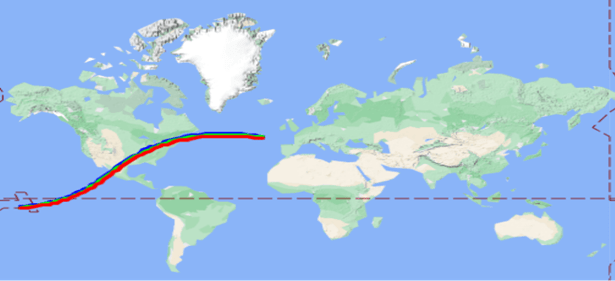
The Moon’s shadow (umbra) will move at supersonic speed from Mexico to United States and finally into Eastern Canada. In Canada, it traces a narrow path (of about 115 miles wide) from Ontario to Quebec into New Brunswick, Prince Edward Island and Newfoundland. The temperature would drop, and Solar corona (outer bright rim of the Sun) shall appear, before the Sun is fully covered by the Moon.
A Total solar eclipse is a unique event where the Moon completely covers the Sun, but it is much different from a ‘Partial’ eclipse. In Canada, the ‘partial’part of the eclipse of April 8 will be seen on the western trail, at Vancouver from about 8-30 am, at Calgary from about 10-43 am and at Winnipeg from about 1.01 pm for short periods. ‘Total Solar eclipse on the eastern trail shall be seen at Toronto from about 2-04 pm, at Montreal from about 3-26 pm and at Halifax from about 4-27 pm onwards, leaving Canada at 5.16 pm NDT. Its path is shown by National Solar Observatory (NSO) and National Science Foundation (NSF).
The Mysterious Sun
Scientists use Solar eclipses to investigate some unsolved mysteries about the Sun. These include, among others, how the Sun’s core temperature is maintained around 15 million degrees Celsius, without cooling down, and why its outermost atmosphere is much hotter than its surface. It is observed that a stream of charged particles (Solar wind) released from the Sun, accelerates as it moves away from it. Sunspots are the temporary darker regions of reduced surface temperature caused by concentrations of magnetic fields. Their exact processes are still a mystery.
Some information about these mysteries is also provided by the Parker Solar Probe launched by the US-National Aeronautics and Space Agency (NASA) in 2018 and the Solar Orbiter launched jointly by European Space Agency (ESA) and NASA in 2020. Parker’s mission is to observe the outer corona of the Sun from a distance of about 4 million miles. Solar Orbiter is designed to obtain details of the Sun’s inner region and the origin of the Solar wind. It will also observe Sun’s polar regions from about 4.3 million miles from the center of the Sun. Both missions are expected to help us in forecasting major space-weather events that impact life on Earth
Getting the chance to see a Total Solar eclipse, if the weather permits, is an incredible educational opportunity. It has no effect on life on the Earth. However, eye safety is of the utmost importance, whether one is in the path of ‘totality’ or observes the ‘partial’ eclipse. One must protect the eyes using good ISO-compliant, ISO 12312-2 ‘Eclipse glasses’. Looking directly at the Sun without protection can permanently damage the eyes.
Some people fear that Sikhism is doomed – due to adverse socio-political events. Apparently, the apprehension arises when we look at some selfish opportunists among certain sections of Sikhs. However, there is no cause for alarm. Sikhs are a robust community that has with-stood the onslaughts of adverse forces and always emerged stronger over these past five centuries. Moreover, the future of Sikhs does not bear any direct correlation with their numbers. There is no denying that prevailing egoism, casteism and hunger for wealth and power have affected Sikhs as much as the others. Also, Sikhs have imbibed some of the superstitions and unhealthy traditions and customs present in their social environments, which had been forbidden by the Gurus. The vital Sikh symbols and the inherent strength of the community have depleted to some extent. However, such situations had arisen in the past as well. By the Grace of the Gurus, the Sikhs came out of the ‘baptism by fire,’ cleansed and purified like gold.
Our optimism for the bright future of the Sikhs arises from our three basic precepts; Remembrance of the Gurus, Earning by hard work, and Sharing with others (Sewa), irrespective of caste or community. We Sikhs have instinctively followed these three principles of our religion throughout history. Neither the cruelty of Moghul Emperors, like Jehangir and Aurangzeb, nor the repeated attacks by the hordes of Abdali could weaken the Sikhs. Indeed, the Khalsa Empire of Maharaja Ranjit Singh once spanned Northern India from Delhi to Afghanistan. General Baghel Singh even hoisted the Kesari Nishan Sahib of the Sikhs on the Red Fort at Delhi. Even the British could not achieve their objective to annihilate the Sikhs. Despite all the holocausts – the Khalsa have always been victorious.
The Sikhs are deeply attached to their holy Gurdwaras all over the world, and ever ready to protect their sanctity even at the cost of their lives. The apex Sikh body, Shiromani Gurdwara Prabandhak Committee (SGPC), came into existence in 1925 for their proper maintenance and has, by and large, done its job well. This has led to the creation of a new class of accomplished Gurbani kirtan singers, using stringed or tanti instruments in prescribed pure, classical musical ragas. Gradually, Sikh scholars and well-educated katha- vachaks who interpret the holy Sri Guru Granth Sahib (SGGS), and inspiring traditional singers of heroic ballads are coming forward. Hundreds of Gurbani albums and documentaries depicting sacrifices of the Sikhs, are being produced. All Sikhs, including Sahajdharis, are equally enthusiastic to participate in these developments. Even in the USA, Canada, Australia, Europe and African countries, an overwhelming majority of Sikhs and some non-Sikhs visit the Gurdwaras. Howsoever imperfect their personal lives may be, their devotion to the Gurus and the Gurdwaras surpasses all our expectations.
The Sikhs have migrated to almost every country of the world and have established themselves as successful farmers, entrepreneurs, professionals and administrators. Several Sikhs, including some Amritdhari Sikhs and Sikh ladies, have become distinguished judges, scientists, doctors, engineers, legislators, mayors, ministers, political party leaders and premiers in many countries outside India. This is the result of their abiding faith in the teachings of the Guru, hard work and devotion. The Sikhs’ contributions to the freedom struggle of India and victories won in the two World Wars are glorious examples of their bravery and are well known to the world. With a tag of “Lions”, about a million Sikhs sacrificed their lives on the battlefields of four Continents. From the mountains of Afghanistan to the deserts of Mesopotamia and from the trenches of Flanders (in which they were reluctant to enter to show their contempt for death) to the marshy swamps of Burmese jungles, they became the most decorated, trusted and feared warriors. In every battle they carried the holy Sri Guru Granth Sahib on the head in front of their marching battalions. The thousands of War Memorials all over the world bear testimony to the awesome moral strength derived by the Sikhs from their devotion to the Gurus, (now SGGS) and the self-confidence flowing from their hard working nature. Today, many countries are recruiting Sikhs in their defense forces and police, while some are raising exclusive Sikh armed units.
Today, be it the havoc caused by earthquakes, floods, wildfires, pandemics or droughts; Sikhs are the first to reach to help – with magnanimous aid for the victims. All this is done without any aim to garner votes and without any discrimination of religion, caste, nationality, or creed. This practice had been encouraged by the Tenth Guru Sahib, Guru Gobind Singh Ji, whose disciples (like Bhai Ghanaiyya) served water and balm even to enemy soldiers. The tradition of Langar (free vegetarian food for all) on weekends in all Gurdwaras and round the clock in all the historic shrines is a unique feature of Sikhism. Darbar Sahib (the Golden Temple) at Amritsar is the only ‘secular’ shrine in the world where hundreds of thousands of visitors, belonging to all religions, and from all parts of the world, are served free and freshly cooked vegetarian meals daily around the clock.
Doubtless, the Jews are among the most influential people in the world today although their global population is much less than the population of Sikhs. The Jews, much like Sikhs, went through the most crippling tribulations and holocausts in their history. Hitler and the Nazis killed about six million Jews during World War II, using most inhuman techniques. Many people erroneously believe that the Jews, like the Sikhs, are disappearing simply through assimilation into other communities! But the similarity ends there, for they have dominated the world scene with such great stalwarts, like Einstein and Bohr (Nobel Laureates), Freud the psychiatrist, Mahler the Music Composer, Spinoza the philosopher, Ben-Gurien the statesman and the Rothschilds, to name only a few. Israel is a country almost continuously in a state of war. In spite that the Jews own or manage most financial institutions, control the media, are among the richest people in the world, and have won more than 20% of the total Nobel Prizes and patents during the past. Obviously, the Sikhs lag far behind the Jews and have much to learn from this small community in modern economics, business, banking, entrepreneurship, sciences, agriculture, technology, and medicine.
Regrettably, in their homeland the percentage of Sikhs is going down (with their actual numbers going up). This has been attributed by some to their increasing migration to foreign countries. It shows that compared to other communities, their numbers at home are declining because they are keener to go abroad for higher studies and employment. This should not be a matter of concern as exposure to Western Science and Technology will be ultimately in the interest of the Sikhs. Obedience of the law, more respect for the rights of the elders and the females, self-imposed discipline in life, punctuality and diligence at work, honesty in social interactions and cleanliness in physical environment, (to which most Indians attach scant attention) are some of the basic virtues to be acquired increasingly for progress of the community.
Sikhs have a great future as they are steadily heading to the West and will gradually assimilating the virtues of these people and add them to their own. Every community has its specific characteristics that evolve with time. The Sikhs are no exception and are acquiring modern scientific attributes without losing their noble heritage and progressive teachings of the Gurus. Times ahead make it necessary that Sikhs all over the world, come together to create a forceful voice to be heard with respect by all. The teachings of our Gurus enshrined in Sri Guru Granth Sahib, a progressive outlook based on the path of Rehat Maryada shown by the Tenth Master and the moral impact of an illustrious, selfless, caste-free Sikh leadership at the international level would doubtless ensure a great future for the Sikhs.
Email: sanjhivirasat13@gmail.com or surjitsingh.bhatti1943@gmail.com

ਇੱਕ ਤੋਂ 100 ਨੈਨੋਮੀਟਰ ਦੀ ਰੇਂਜ ਵਿਚ ਛੋਟੇ ਅਕਾਰ ਵਾਲੇ ਪਦਾਰਥਾਂ ਨੂੰ ਨੈਨੋ ਮੈਟੀਰੀਅਲ ਕਿਹਾ ਜਾਂਦਾ ਹੈ। ਇਹ ਅੇਟਮ ਦੇ ਸਾਈਜ਼ ਵਾਲੇ ਪਦਾਰਥ ਇੱਕ ਮਿਲੀਮੀਟਰ ਦੇ ਵੀ ਦਸ-ਲੱਖਵੇਂ ਹਿੱਸੇ ਬਰਾਬਰ ਹੁੰਦੇ ਹਨ। ਇਨ੍ਹਾਂ ਵਿਚ ਅਜਿਹੇ ਗੁਣ ਵੇਖੇ ਗਏ ਹਨ ਜੋ ਬਹੁਤ ਹੀ ਜ਼ਿਆਦਾ ਪਤਲੀਆਂ ਸ਼ੀਟਾਂ ਵਾਲੇ ਪਦਾਰਥਾਂ ਦੇ ਗੁਣਾਂ ਤੋਂ ਅਲੱਗ ਕਿਸਮ ਦੇ ਹੁੰਦੇ ਹਨ। ਅਕਜਲ ਨੈਨੋ-ਤਕਨਾਲੋਜੀ ਦਾ ਵਿਗਿਆਨ ਅਤੇ ਉਪਯੋਗ ਦੀਆਂ ਵਸਤਾਂ ਵਿਚ ਲਗਾਤਾਰ ਵਾਧਾ ਹੋ ਰਿਹਾ ਹੈ। ਕੁਦਰਤ ਵਿੱਚ ਨੈਨੋ ਪਦਾਰਥ ਹਮੇਸ਼ਾ ਮੌਜੂਦ ਸਨ। 1996 ਵਿੱਚ ਕੈਮਿਸਟਰੀ ਦਾ ਅਤੇ 2010 ਦਾ ਭੌਤਿਕ ਵਿਗਿਆਨ ਦਾ ਨੋਬਲ ਪੁਰਸਕਾਰ ਨੈਨੋ ਤਕਨਾਲੋਜੀ ਵਿੱਚ ਬਹੁਤ ਮਹੱਤਵਪੂਰਨ ਖੋਜਾਂ ਕਰ ਕੇ ਦਿੱਤੇ ਗਏ। ਵਪਾਰਕ ਤੌਰ ‘ਤੇ ਨੈਨੋ ਪਦਾਰਥਾਂ ਦਾ ਵਿਉਪਾਰ ਇੱਕ ਟਰਿਲੀਅਨ ਡਾਲਰ ਤੋਂ ਵੱਧ ਦਾ ਹੋ ਗਿਆ ਹੈ।
ਨੈਨੋ-ਤਕਨਾਲੋਜੀ ਯੰਤਰ ਨੈਨੋ ਪਦਾਰਥਾਂ ਦੀ ਚੌੜੀ ਤਹਿ ਬਣਾਉਂਦੇ ਹਨ। ਇਸਦੇ ਬਹੁਤ ਛੋਟੇ ਆਕਾਰ ਦੇ ਕਾਰਨ ਕੁਆਂਟਮ ਪ੍ਰਭਾਵ ਵੀ ਦਿਖਦੇ ਹਨ। ਨੈਨੋ ਪਦਾਰਥਾਂ ਵਿੱਚ ਬਹੁਤ ਵਿਭਿੰਨ ਸਮੱਗਰੀ ਸ਼ਾਮਲ ਹੁੰਦੀ ਹੈ ਜਿਵੇਂ ਕਿ ਧਾਤੂਆਂ, ਧਾਤੂ-ਜੈਵਿਕ ਪਦਾਰਥ , ਕਾਰਬਨ, ਪੌਲੀਮਰ, ਆਦਿ। ਇਨ੍ਹਾਂ ਵਿੱਚ ਵਿਭਿੰਨਤਾ ਹੁੰਦੀ ਹੈ ਜਿਵੇਂ ਕਿ ਡਿਸਕ, ਘਣ, ਗੋਲਾਕਾਰ, ਡੰਡੇ ਵਰਗੀ ਸ਼ਕਲਾਂ । ਨੈਨੋ ਪਦਾਰਥਾਂ ਨੂੰ ਕਿਸੇ ਵੀ ਲੋੜੀਂਦੇ ਐਪਲੀਕੇਸ਼ਨਾਂ ਲਈ ਲੋੜ ਅਨੁਸਾਰ ਤਹਿ ਨੂੰ ਕਾਰਜਸ਼ੀਲ ਕੀਤਾ ਜਾ ਸਕਦਾ ਹੈ।
ਨੈਨੋਮੈਟਰੀਅਲਜ਼ ਨੂੰ ਮੋਟੇ ਤੌਰ ‘ਤੇ ਦੋ ਮੁੱਖ ਕਿਸਮਾਂ ਵਿੱਚ ਸ਼੍ਰੇਣੀਬੱਧ ਕੀਤਾ ਜਾ ਸਕਦਾ ਹੈ : ਜੈਵਿਕ ਅਤੇ ਅਜੈਵਿਕ। ਕਾਰਬਨ-ਅਧਾਰਤ ਨੈਨੋਮੈਟਰੀਅਲ ਨੂੰ ਸਪੈਕਟ੍ਰੋਸਕੋਪੀ ਦੀ ਇੱਕ ਵੱਖਰੀ ਸ਼੍ਰੇਣੀ ਮੰਨਿਆ ਜਾਂਦਾ ਹੈ। ਕਾਰਬਨ-ਅਧਾਰਿਤ ਨੈਨੋਮੈਟਰੀਅਲ ਦੇ ਛੋਟੇ ਅਣੂਆਂ ਅਤੇ ਲੰਬੀਆਂ ਚੇਨਾਂ ਦੀਆਂ ਕਈ ਤਰ੍ਹਾਂ ਦੀਆਂ ਬਣਤਰਾਂ ਨੂੰ ਬਣਾਇਆ ਜਾ ਸਕਦਾ ਹੈ। ਜੈਵਿਕ-ਅਧਾਰਤ ਨੈਨੋਮੈਟਰੀਅਲ ਜੈਵਿਕ ਪਦਾਰਥਾਂ ਤੋਂ ਬਣਾਏ ਜਾਂਦੇ ਹਨ। ਫੁਲਰੀਨ (ਗ੍ਰੇਫਾਈਟ ਵਰਗਾ ਕਾਰਬਨ) ਨੈਨੋ ਪਦਾਰਥਾਂ ਨੂੰ ਦਵਾਈਆਂ ਅਤੇ ਜੀਵ-ਵਿਗਿਆਨਕ ਸਮੱਗਰੀਆਂ ਨੂੰ ਸਰੀਰ ਵਿਚ ਠੀਕ ਜਗ੍ਹਾ ਤੱਕ ਪਹੁੰਚਾਉਣ ਲਈ ਵਰਤਿਆ ਜਾਂਦਾ ਹੈ। ਨੈਨੋਸਕੇਲ ਦੇ ਹਿੱਸੇ ਪਹਿਲਾਂ ਹੀ ਬਹੁਤ ਸਾਰੇ ਭੋਜਨਾਂ ਵਿੱਚ ਕੁਦਰਤੀ ਤੌਰ ‘ਤੇ ਹੁੰਦੇ ਹਨ। ਦੁੱਧ, ਨੈਨੋਸਕੇਲ ਫੈਟ ਗਲੋਬੂਲਸ ਵੇਅ ਪ੍ਰੋਟੀਨ, ਅਤੇ ਬਹੁਤ ਸਾਰੀਆਂ ਫੂਡ-ਪ੍ਰੋਸੈਸਿੰਗ ਤਰੀਕੇ ਇਸ ਤਰਾਂ ਦੇ ਹੋ ਸਕਦੇ ਹਨ। ਮਨੁੱਖ ਯੁੱਗਾਂ ਤੋਂ ਨੈਨੋਮੈਟਰੀਅਲਾਂ ਦਾ ਸੇਵਨ ਕਰ ਰਹੇ ਹਨ। ਬਾਹਰੀ ਕਣ ਕੁਦਰਤੀ ਖੁਰਾਕ ਦੇ ਦੂਸ਼ਿਤ ਪਦਾਰਥਾਂ (ਆਮ ਤੌਰ ‘ਤੇ ਧੂੜ ਅਤੇ ਮਿੱਟੀ) ਅਤੇ ਮਨੁੱਖ ਦੁਆਰਾ ਬਣਾਏ ਭੋਜਨ ਐਡਿਟਿਵ ਜਾਂ ਸਹਾਇਕ ਪਦਾਰਥਾਂ ਦੇ ਰੂਪ ਵਿੱਚ ਹੁੰਦੇ ਹਨ।
ਇਨ੍ਹਾਂ ਉਪਭੋਗਤਾ ਉਤਪਾਦਾਂ ਦੀ ਸੂਚੀ ਵਿੱਚ ‘ਭੋਜਨ ਅਤੇ ਪੀਣ ਵਾਲੇ ਪਦਾਰਥ’ ਸ਼੍ਰੇਣੀ ਵਿੱਚ 105 ਉਤਪਾਦ ਸ਼ਾਮਲ ਹਨ। ਇਹ ਐਂਟੀਬੈਕਟੀਰੀਅਲ ਰਸੋਈ ਦੇ ਸਮਾਨ ਤੋਂ ਲੈ ਕੇ ਸਲਿਮਿੰਗ ਚਾਕਲੇਟ ਸ਼ੇਕ ਤੱਕ ਹੁੰਦੇ ਹਨ ਜੋ ਖੰਡ ਘੱਟ ਕਰਦੇ ਹੋਏ ਸੁਆਦ ਨੂੰ ਵਧਾਉਣ ਲਈ ਵਰਤੇ ਜਾਂਦੇ ਹਨ। ਇੱਕ ਮਹੱਤਵਪੂਰਨ ਹਿੱਸਾ ਪੈਕੇਜਿੰਗ ਸਮੱਗਰੀ ਹੈ, ਜੋ ਕਿ ਪੋਲੀਮਰ-ਅਧਾਰਤ ਨੈਨੋ ਪਦਾਰਥਾਂ ਵਿੱਚ ਸਿਲਿਕਾ ਤੋਂ ਲੈ ਕੇ ਆਕਸੀਜਨ ਨੂੰ ਲਪੇਟਣ ਤੋਂ ਰੋਕਣ ਲਈ ਅਤੇ ਰੇਡੀਏਸ਼ਨ ਨੂੰ ਫਿਲਟਰ ਕਰਨ ਲਈ ਵਰਤਦੇ ਹਨ। ਮਸਾਲੇ ਅਤੇ ਸੀਜ਼ਨਿੰਗ ਵਿੱਚ ਐਂਟੀ-ਕੇਕ ਦੇ ਤੌਰ ਤੇ, ਨੋ-ਕੇਕਿੰਗ ਸ਼ੱਕਰ ਲਈ ਅਤੇ ਕਈ ਹੋਰ ਜਗ੍ਹਾ ਜਿਵੇਂ ਕਿ ਟੋਨਰ, ਬੈਟਰੀ ਜੈੱਲ ਜਾਂ ਲਿਥੀਅਮ ਆਇਨ ਪੌਲੀਮਰ ਬੈਟਰੀਆਂ, ਸ਼ਿੰਗਾਰ, ਪੇਂਟ, ਪਲਾਸਟਿਕ, ਫਾਰਮਾਕੋਲੋਜੀ ਵਿੱਚ, ਸਲਾਦ ਡ੍ਰੈਸਿੰਗ, ਮਿਠਾਈਆਂ ਅਤੇ ਨਾਨ-ਡੇਅਰੀ ਕ੍ਰੀਮਰਾਂ ਵਿੱਚ ਚਿੱਟੇਪਨ ਨੂੰ ਬਹਾਲ ਕਰਨ ਲਈ ਇਨ੍ਹਾ ਦੀ ਵਰਤੋਂ ਕੀਤੀ ਜਾਂਦੀ ਹੈ।
ਅਜੈਵਿਕ-ਆਧਾਰਿਤ ਨੈਨੋਮੈਟਰੀਅਲਾਂ ਵਿੱਚ ਵੱਖ-ਵੱਖ ਧਾਤਾਂ ਅਤੇ ਮੈਟਲ ਆਕਸਾਈਡ ਸ਼ਾਮਲ ਹੁੰਦੇ ਹਨ। ਧਾਤੂ-ਅਧਾਰਿਤ ਅਕਾਰਬਨਿਕ ਨੈਨੋਮੈਟਰੀਅਲਜ਼ ਦੀਆਂ ਉਦਾਹਰਨਾਂ ਹਨ ਚਾਂਦੀ, ਸੋਨਾ, ਅਲਮੀਨੀਅਮ, ਕੈਡਮੀਅਮ, ਤਾਂਬਾ, ਆਇਰਨ, ਜ਼ਿੰਕ ਆਦਿ। ਧਾਤੂ ਆਕਸਾਈਡ-ਅਧਾਰਿਤ ਨੈਨੋਮੈਟਰੀਅਲਾਂ ਦੀਆਂ ਉਦਾਹਰਣਾਂ ਹਨ ਜ਼ਿੰਕ, ਕਾਪਰ, ਮੈਗਨੀਸ਼ੀਅਮ ਅਲਮੀਨੀਅਮ, ਟਾਈਟੇਨੀਅਮ, ਸੇਰੀਅਮ ਦੇ ਆਕਸਾਈਡ ਆਦਿ। ਕਾਰਬਨ-ਅਧਾਰਤ ਨੈਨੋਮੈਟਰੀਅਲਾਂ ਵਿੱਚ ਗ੍ਰਾਫੀਨ, ਫੁਲਰੀਨ, ਕਾਰਬਨ ਨੈਨੋਟਿਊਬ, ਕਾਰਬਨ ਫਾਈਬਰ ਅਤੇ ਕਾਰਬਨ ਬਲੈਕ ਸ਼ਾਮਲ ਹਨ।


Solar eclipses occur when the Moon passes between the Sun and the Earth. Moon’s orbit is inclined at an angle to the Earth’s (Elliptic) path around the Sun. Hence, the Moon usually passes above or below the Sun as seen from the Earth and thus there is no eclipse every time. The proper alignment for a solar eclipse occurs only a few times a year.
A Total Solar Eclipse occurs when the New Moon fully blocks the Sun from our view. There is complete darkness and one can see the stars during the day. The Moon is surrounded by some solar flares from the Sun’s outer edge called corona.
Annular Solar Eclipse takes place when the Moon is at its farthest point (apogee) from the Earth. The Moon in this position appears smaller than the Sun. Hence, it does not completely cover the Sun during the eclipse, and the darkness, therefore, is not complete. The solar disc appears only as a bright ring (annulus).
A partial Solar Eclipse happens when the Sun, Moon, and Earth are not perfectly lined up. A crescent- Sun is visible while the rest is covered. During a Total or Annular Solar Eclipse, outside the Moon’s inner shadow, a partial eclipse is visible.

Hybrid Solar Eclipses are observed sometimes when shadows shift between Annular at some points on their path and Total at other points, as the Moon moves across (the curved surface of) the globe.
The path of an eclipse begins when the Moon touches one edge of the Sun and it ends when the Moon leaves the opposite edge of the Sun. Shadow of the Moon in the October 14, 2023, Eclipse follows a curved path from Africa, North America, South America, the Pacific, Atlantic, and the Arctic, and then moves on to the East.
The duration of visibility varies according to the location of the place. The curvature of the Moon’s path is due to the Earth’s rotation, its point of view moving around the Earth at a speed greater than that of Earth’s normal rotation.
The Coordinated Universal Time (UTC) when this eclipse begins is 15:03:50, while it ends at 20:55:16. In Canada, it starts at 8.07 a.m. Pacific Daylight Time (PDT) and ends at 3.32 Atlantic Daylight Time (ADT). For Calgary, its duration is from 9-14 a.m. to 11- 45 a.m. Mountain Daylight Time (MDT). The Next Annular Solar Eclipse will be on October 2, 2024.
Precaution: One should never look directly at solar eclipses without special ‘Eclipse Glasses’. Observing through a camera viewfinder, binoculars or telescope can cause permanent damage to the retina. A Solar Filter for the camera and a Telephoto Zoom Lens are required for photography.

SERVING MY GRANDFATHER
Dr Bhajan Singh, Sydney (Australia), Formerly Professor & Head, Deptt of Chemistry, Guru Nanak Dev University, Amritsar (India)
I can’t lie still in my pram, with so active world around me,
Buses and cars are running a marathon which I generally see.
My grandfather is seventy-nine fondly pushing my pram,
For my first birthday next week, booking a cake with jam.
Outside on the footpath and while crossing busy roads, (1941-2023)
It is my elderly grandfather who has to push-care my load.
When trembles his skinny frail legs, he bends over my pram.
Its handle serves a stout stick, firm enough though sham
.
This terrain is hilly and bumpy to tire a senescent very soon,
For a grizzled, spectacled-grandy this handle proves a boon.
Reclining on my buggy, Grandy trudges more than a mile.
My pram is really my grand’s walking stick of its own style.
This at once struck me that I am helping my old grand-father,
Visibly, by pushing me to drive my pram, he really helps me.
Only about a year more, I shall be his talkative stick alive,
We shall walk and talk together, no more pram for him to drive.


 ਸਾਂਝੀ ਵਿਰਾਸਤ