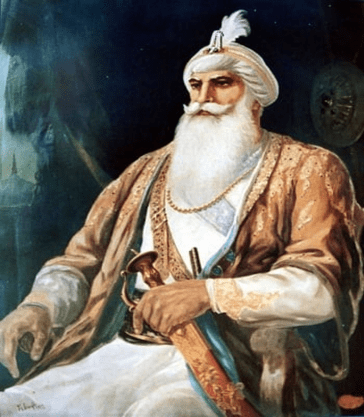
“Sultan-ul-Quam” Nawab JassaSingh Ahluwalia (1718–1783) was a prominent Sikh Ruler who rose to power during the period after the death of the brave Sikh General Baba Banda Singh Bahadur. He was the General who laid the foundations of the powerful Sikh Empire established in 1801 by Maharaja Ranjit Singh (1780-1839). There were 12 independent Sikh confederacies (called Missals), at that time that were always engaged in skirmishes among themselves for gaining supremacy. Sardar Jassa Singh was Jathedar (Chief or Baron) of the Ahluwalia Missal. To fight against the ruthless and much more powerful invaders from Afghanistan, these Missals created a strong and united force, called Dal Khalsa, and chose Ahluwalia as their Supreme Military Commander in 1748. He was also elected leader of the Buddha Dal, which was the Think Tank of this formidable force, its other militant group being the Taruna Dal. He was given the title of ‘Nawab‘, at Amritsar in 1754, after the death of his mentor Nawab Kapur Singh, Chief of Singhpuria Missal.
Nawab Jassa Singh Ahluwalia
As a lad, Jassa Singh Ahluwalia was noticed by Nawab Kapur Singh who was highly impressed by his unique qualities. He adopted the young man and started grooming him in the art of war, horse riding, swordplay and archery. During 1747-1769, Ahmad Shah Abdali, the Ruler of Afghanistan, attacked and looted parts of Northern India, nine times. Every time, it was only Dal Khalsa who gave him a strong challenge and forced him to retreat.
Under the leadership of Nawab Jassa Singh Ahluwalia, the Sikhs rebuilt their holy place of worship, Darbar Sahib, Amritsar, which was destroyed by Abdali during his repeated revengeful attacks. Ahluwalia also started the work of building Darshani Deori, the main entrance route to Darbar Sahib. As a brave military commander and strategist, he captured Lahore in 1761, for which Sikhs honoured him with the title of Sultan-ul-Qaum (King of the Nation).
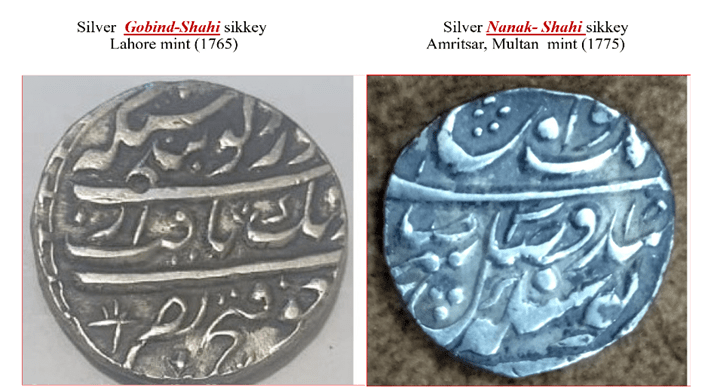
After capturing Lahore, he set up three Mints, first at Lahore, from where silver coins were issued in the name of Guru Gobind Singh Sahib (Gobind-shahi Sikkey). The other two were established at Multan and Amritsar which made Nanak-shahi Sikkey. The Amritsar Mint (in Katra Hari Singh) subsequently produced both types of coins. Later, silver and gold rupee coins featuring a Katar (and other Sikh weapons) were also issued from Amritsar.
Ahmad Shah Abdali and his Indian allies mounted a fierce attack on the Sikhs for the sixth time in February 1762, with the avowed aim of annihilating them completely. Ahluwalia and other Chiefs of the Missals fought valiantly and were seriously injured. Abdali carried out a full-scale massacre and more than 20,000 Sikhs died, leading to a “Wadda Ghallughara” (The Great Holocaust). Despite this disaster, in May 1762, the Sikhs gathered in large numbers at Amritsar. Abdali proposed a treaty of peace, but the Sikhs rejected the idea, which led to a battle at Amritsar. This was followed by another battle in October of the same year. These battles ended in the defeat of the mighty Afghan army. Nawab Jassa Singh captured a large portion of Abdali’s troops and forced them to repair the holy Sarovar damaged by them at Amritsar earlier. The Sikhs inflicted a humiliating defeat on Abdali and forced him to retreat, with five thousand Afghan soldiers killed. The Prisoners of war and women captured by Abdali were rescued by the Sikhs and sent to their homes.
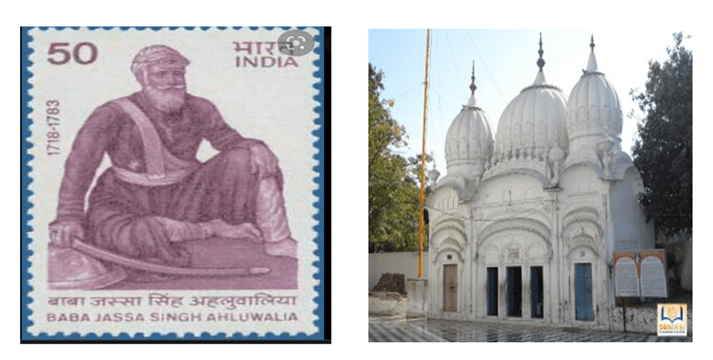
(Postage stamp and Memorial in honour of Nawab Jassa Singh Ahluwalia)
After Abdali’s ninth and last invasion in 1769, Nawab Jassa Singh Ahluwalia wrested Kapurthala and nearby territories (of Jalandhar, Phagwara and Hoshiarpur) and added these to Lahore and Amritsar already under his rule. In March 1783, the Sikhs, led by General Baghel Singh of the KarorasinghiaMissal, captured the Red Fort at Delhi. Nawab Jassa Singh Ahluwalia and General Jassa Singh Ramgarhia were among the commanders who helped General Baghel Singh in this historic campaign. These victorious Generals made seven memorial Gurdwaras at the historic places in Delhi associated with the Gurus. Sardar Jassa Singh Ahluwalia died at Amritsar in October 1783. He was succeeded by Sardar Bhag Singh Ahluwalia, whose son, Fateh Singh served in the army of Maharaja Ranjit Singh. He spent his last days renovating Gurdwaras and developing Amritsar city. A memorial was built in his honour in the surrounding parikrama of Gurdwara Atal Rai. In 1985, the Government of India issued a commemorative postage stamp in his memory.
ਪਿਆਰੇ ਪੰਜਾਬੀ ਪ੍ਰੇਮੀਓ, ਤੁਹਾਨੂੰ ਇਹ ਨੋਟ ਕਰਕੇ ਖੁਸ਼ੀ ਹੋਵੇਗੀ ਕਿ ਮੈਗਜ਼ੀਨ "ਸਾਂਝੀ ਵਿਰਾਸਤ" ਦਾ May 2022 ਅੰਕ ਹੁਣ ਪ੍ਰਕਾਸ਼ਿਤ ਹੋ ਚੁੱਕਾ ਹੈ ਅਤੇ ਤੁਹਾਡੇ ਪੜ੍ਹਨ ਲਈ ਉਪਲਬਧ ਹੈ।

ਤੁਸੀਂ ਹੇਠਾਂ ਦਿੱਤੇ ਲਿੰਕ 'ਤੇ ਮੈਗਜ਼ੀਨ ਪੜ੍ਹ ਸਕਦੇ ਹੋ


Dear lovers of Punjabi, you will be pleased to note that the May 2022 issue of the magazine "Sanjhi Virasat" has now been published and available for you to read.

You may read the Magazine at the link below:
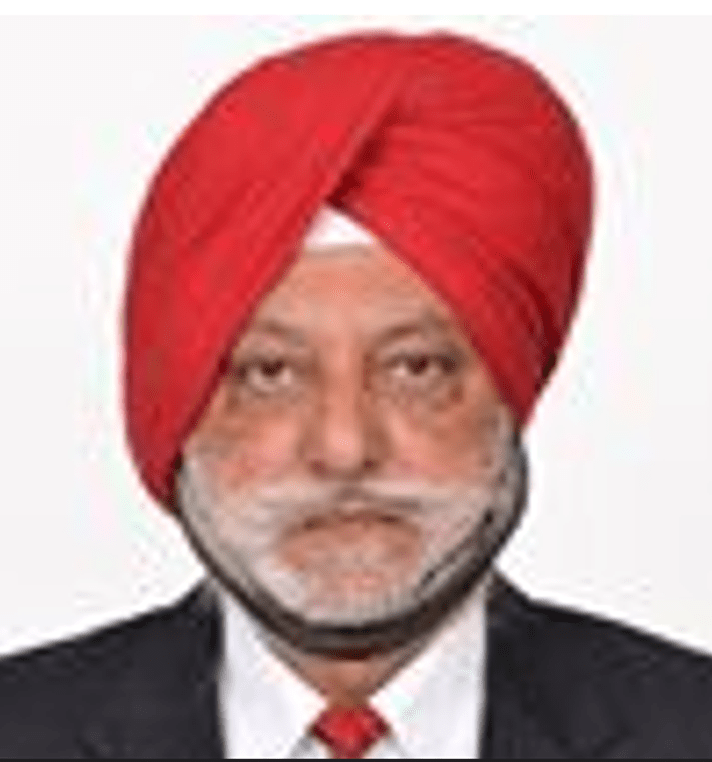
Congratulations to Professor Dr. Sukhmander Singh on the new Endowed Professorship named in his honor. Touched by Professor Singh’s care for students, one family donated $3 million to establish the Dr. Sukhmander Singh Endowed Professorship in Civil, Environmental, and Sustainable Engineering at the Santa Clara University, USA.
Dr. Sukhmander Singh obtained his Ph.D. in 1979 from the University of California, Berkeley, California (USA). He started teaching at Santa Clara University in 1986 and has been a Professor and Chairman of the Department of Civil Engineering since 1992. He is the Associate Dean at present. He was a Project Engineer and Manager for the Alyeska Pipeline Company where he studied the seismic stability and liquefaction for the entire 800-mile Trans Alaska pipeline. He was the Principal Investigator to analyze the failure of the San Pablo Clearwell Dam and re-design it.
He feels that Sikhs must understand the Sikh Philosophy as enshrined in Sri Guru Granth Sahib. It is Gurus’ Hukam (Command) to Sikhs to understand Gurbani. Without that one cannot even begin to become a Sikh. Ritualistic practices overshadow the real message of the Gurus. Their focus today is more on ‘worshipping’ Sri Guru Granth Sahib than on understanding and following its Teachings.
Gurus did not feel the need for middlemen. Hence, they did not establish any priestly class. We can get recognition by informing our friends and neighbors about who we are. We can live up to our full potential by understanding Sri Guru Granth Sahib for ourselves and sharing its sublime and universal concepts with the world.
Bhagat Puran Singh was born to Mata Mehtab Kaur on 4th June 1904 in a Sanatani Family in village Rajewal, in district Ludhiana. His father, Lala Shibu Mal, was a moneylender. Puran Singh’s childhood name was Ramji Das. His mother inculcated in him deep feelings of love, compassion, and sympathy for all mankind, animals, birds, trees and various species of flora and fauna. She loved Ramji Das intensely and taught him to respect the womenfolk.
During the plague of 1905, his parents used to go house-to-house to meet people and look after their welfare. At the time of the drought of 1913, a lot of money was given by them to the needy. From 1916 to 1923, he was put in the hostel of a school and he wrote Matriculation Examination in 1923 at Ludhiana. While returning home, he entered a temple to pay obeisance, but he was turned out. This hurt Ramji Das deeply who left with a heavy heart and reached Gurdwara Reru Sahib, where volunteers were fondly serving free food, called langar. Ramji Das got stunned and also satiated. There he heard the discourses by Sant Attar Singh ji, which had a profound effect on his mind.
They then shifted to Lahore. Ramji Das started going to the Gurdwara Dehra Sahib daily and there he got his new name, Puran Singh. The prefix, Bhagat, was later on added by the noted Sikh scholar Giani Kartar Singh. Seeing him devotedly serving others, people gave him a lot of affection and encouragement. In his free time, he would go to libraries to read newspapers, magazines, and books. Also, he started collecting money from the affluent to help the poor, diseased and helpless children. Seeing the sad plight of the destitute patients, he started thinking of establishing an organization to look after them and get them treated.
In 1934, a four-year-old spastic child was left at the entrance of Gurdwara Dehra Sahib, Lahore. The Caretaker of the Gurdwara handed over the child to him and said, “Puran Singh, only you can look after this child”. Bhagat Ji gave so much love to the child that he even named him ‘Piara’ (the loved one). At the time of the partition of the country, Bhagat Ji came from Lahore to Amritsar’s refugee camp in the Khalsa College, in August 1947, with the sick 17-year-old Piara on his back. The camp served people till December 1947. After the camp was disbanded, Bhagat Ji left with some more orphans under his care whom he took to wherever he could get a shelter in Amritsar city. After a lot of struggle, he got a modest shelter called “Pingalwara”, which means a Shelter (for the differently enabled). For their treatment, he started taking them to various hospitals in an old rickshaw, which became his first ‘ambulance’ ! Gradually, as the number of inmates grew to hundreds, many philanthropists started helping him in his noble and selfless work.
With the help of donations collected by him, Bhagat Ji purchased the present site from District Rent and Managing Officer, Amritsar in 1958, and The All-India Pingalwara Charitable Society was registered. He returned to the Government of India, the Padam Shri Award after the ‘Blue Star’ operation in which the pilgrims who had come to Golden Temple and the Akal Takhat to pay their obeisance were attacked in June 1984. He was given many awards, such as Harmony Award, Rog Rattan, and Bhai Ghanaiyya Award. But he believed service to the poor is one’s greatest award. The money he received was used to give fatherly support to numerous homeless old people and diseased children, without any consideration of caste, community, region or religion.
He had made a promise to his mother to remain a bachelor and stuck to it till the end. He stopped wearing leather shoes as a sign of affection for animals and wore wooden sandals only. To help employment, he resolved to wear khaddar (hand-made coarse cloth) made by handlooms only. His diet was very simple and frugal. He was concerned about the population explosion, environmental pollution, depletion of natural resources, ruthless cutting of forests, and soil erosion, and wrote pamphlets to make people aware and help in finding out solutions. Bhagat Ji had become a living legend during his lifetime. He breathed his last on 5th August 1992. His ever-lasting memorial in the shape of Pingalwara is a home for the homeless and forlorn, and a hospital and a cradle for the orphaned or abandoned children. It is also a safe haven for exploited and mentally deranged women. Thus, this institution has immortalized its founder. Bhagat Ji nominated Dr Inderjit Kaur as his successor, who had volunteered earlier to serve the hundreds of patients in Pingalwara.
In addition to the main campus, Pingalwara has three branches in the Amritsar district. Now there are branches in Sangrur, Jalandhar, and Chandigarh. Pingalwara also runs free schools for poor and needy, mentally retarded, paralysed, blind, deaf and dumb children. Poor persons afflicted with AIDS, diabetes and cancer are also being given free treatment. Pingalwara has free Prosthetic Centre, Physiotherapy Centre, Dental Centre, ENT Centre, Operation Theatre, Ultrasound Centre, and fully equipped free Dispensaries. A 2017 April report revealed that they had to spend more than Rs 2 crores yearly on medical treatment, shelter, and education of the inmates. With more than 1800 inmates, this amount has now risen more than three times. The entire expenditure is met from public donations from all over the world.
Bhagat Puran Singh had rendered much more selfless services to the needy, diseased, disabled, abandoned and handicapped children as well as old men and women in distress, than any other person in human history. Obviously, he deserved the Nobel Prize. India should have awarded at least the Bharat Rattan to him. It is not too late even now to recognize his services and also help the organization financially. His example is being followed today by “Khalsa Aid” and several other organizations like “The Kalgidhar Trust” at Baru Sahib, Himachal Pradesh.


 ਸਾਂਝੀ ਵਿਰਾਸਤ